In short
- The gap is real. On our own 14 day journey the same itinerary is USD 24,650 in April and USD 36,800 in July. That is USD 12,150 per person, and almost all of it is camp seasonality.
- You are guaranteed the herds, not a crossing. They cross the Mara river when they decide to, and a week in camp can pass without one.
- What you are also buying is company. July to October is when every vehicle in East Africa is in the same few places.
- The calving season in the southern Serengeti, January to March, is arguably the better wildlife event, and costs about a third less.
- Our answer: go in the migration months once, in a private conservancy, and go every other time in green season.
We are a safari company. The migration months are our highest revenue quarter and our camps are fullest then. You should read what follows knowing that, and knowing we would still rather you came home happy than came in July.
What the peak actually costs
| Green season | Migration months | The gap | |
|---|---|---|---|
| Our 14 day Rwanda, Tanzania and Kenya journey | USD 24,650 in April | USD 36,800 in July to September | USD 12,150 per person |
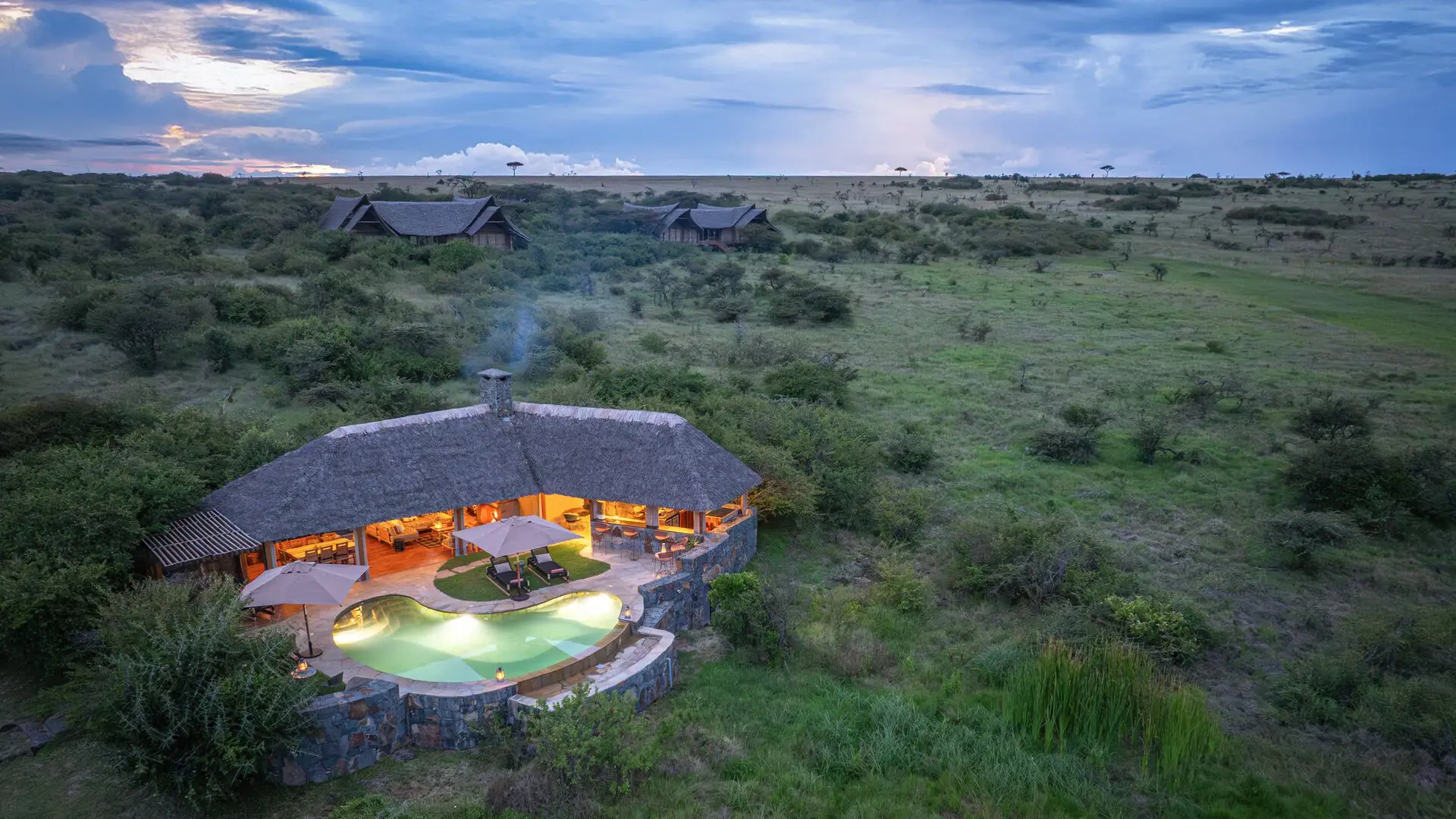
| Mara Plains, per person per night | About USD 2,200 | About USD 4,350 | About USD 2,150 a night |
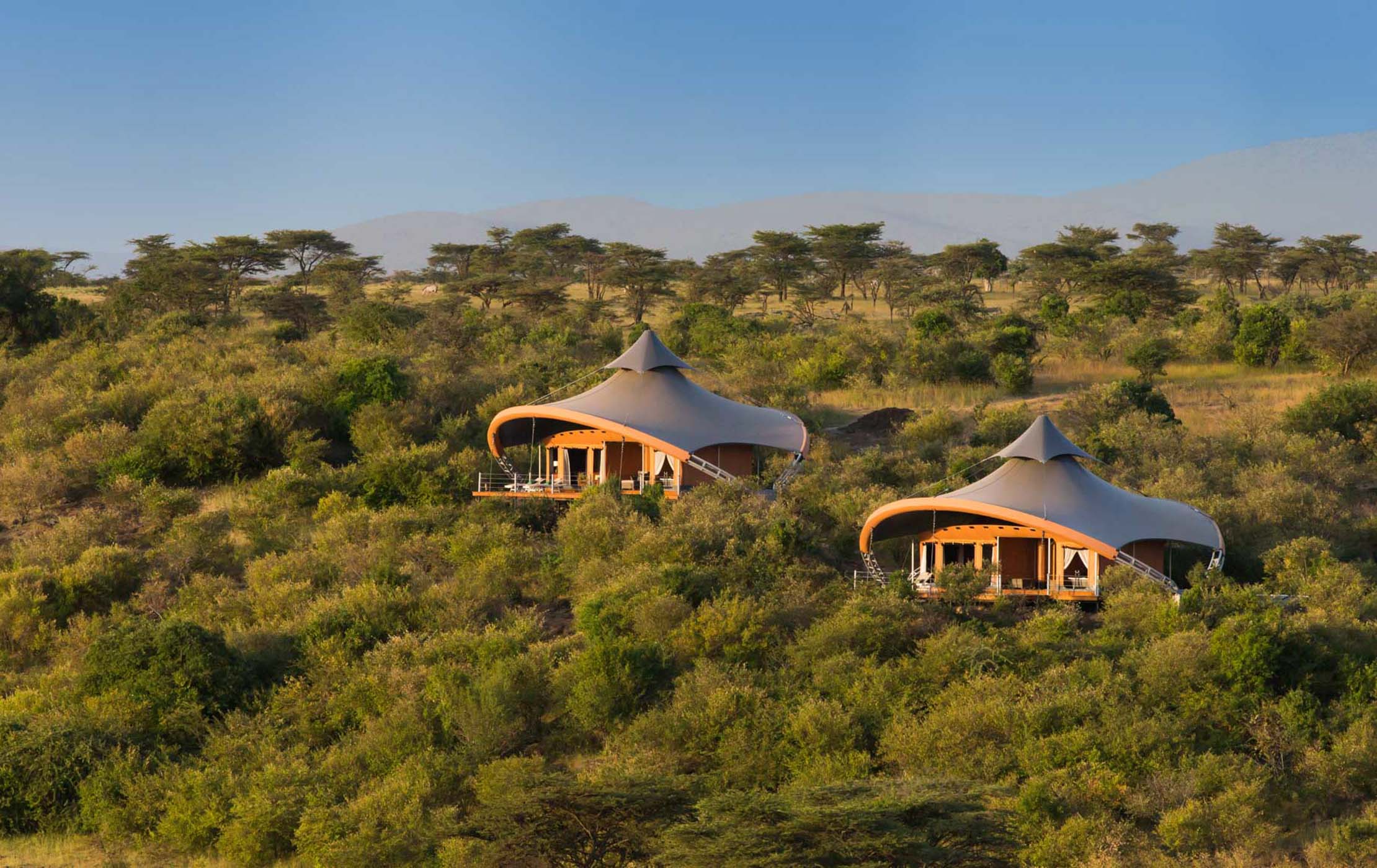
| Mahali Mzuri, per person per night | About USD 1,800 | About USD 2,750 | About USD 950 a night |
| Angama Mara, per person per night | About USD 2,000 | About USD 3,000 | About USD 1,000 a night |
| Maasai Mara Reserve day fee | USD 100 per person | USD 200 per person | Double, from 1 July 2027 |
For 2 people travelling together on that 14 day journey, the difference is USD 24,300. That is a second safari, or a gorilla permit and a week in Rwanda, or 10 more nights in green season.
What you are guaranteed
Between roughly July and October, around 1.5 million wildebeest and a few hundred thousand zebra are in the northern Serengeti and the Maasai Mara. That part is close to certain, and the sight of the plains carrying that many animals is not something photographs prepare you for.
What you are not
A river crossing. The herds cross the Mara river when the grazing, the rain and some collective decision say so. They may cross 3 times in a morning or not for 5 days. They sometimes walk to the bank, stand for 4 hours, and walk away.
We tell guests to plan 4 nights minimum in the Mara in those months, because 2 nights is a coin toss. Even at 4 nights it is not a certainty, and we say so in writing before anybody pays.
The part nobody puts in the brochure
In peak season a crossing point will gather 60 or 80 vehicles along the bank. In the Reserve there is no limit on how many, and no rule about where they park. Guests who have waited 3 hours for a crossing and then watched it through other people’s wing mirrors do not describe it the way the brochure does.
This is the strongest argument for a conservancy. Stay in Olare Motorogi, Naboisho or Mara North, where vehicles at a sighting are capped, and cross into the Reserve for the river on the days it looks likely. You get the spectacle without living in the queue.
Three times we would rather send you
January to March, the calving
Around 400,000 calves are born on the southern Serengeti plains in about 3 weeks. The predator action is the most concentrated of the year, and the plains are open and empty. It is arguably the better wildlife event and it costs roughly a third less than July.
April to June, green season
The cheapest months of the year, the landscape at its most beautiful, and the camps almost empty. Resident game does not migrate, so the Mara still carries its lion, leopard and cheetah. It rains, usually for an hour in the afternoon, and then it stops.
On our 14 day journey April is USD 12,150 a head below the peak, because Wilderness low season, Four Seasons green season and the Mahali Mzuri Pay 3 Stay 4 offer all land in the same month.
November to mid December, the short rains
The herds move back south, the Mara empties of vehicles, and the camps drop their rates. Short afternoon showers, green country, excellent light for photography.
So when is the peak worth it?
- When this is a once in a lifetime trip and the migration is the specific reason for it.
- When you have 4 or more nights in the Mara, so a crossing is likely rather than lucky.
- When you are staying in a conservancy and crossing into the Reserve by choice.
- When school holidays leave you no option, which is the real answer for most families.
- When you have been in green season before and want to see the other version.
And it is not worth it when the peak rate forces you into 2 Mara nights instead of 4, or a lesser camp, or dropping the Serengeti. Those trades cost more than the migration adds.
Our verdict
Go once in the migration months, with 4 nights in a private conservancy and a Reserve day for the river. Done that way it is worth the money and you will not need to do it again.
Go every other time in green season. April and May on the same itinerary are USD 12,150 a head cheaper, the camps are empty, the resident game is all still there, and the country is at its most beautiful.
If the choice is a peak season trip with 2 Mara nights or a green season trip with 5, take the 5. Nobody has ever told us they wished they had stayed fewer nights.
Written by Abner Ongeri, founder of Ongeri Expeditions in Karen, Nairobi. We stay in every camp we sell and we sell all of these, which is exactly why we will tell you when one is not worth the money. Last checked 2 October 2026.