In short
- In 2026 the Maasai Mara National Reserve charges non resident adults USD 100 per person per day from January to June and USD 200 from July to December.
- Children aged 9 to 17 pay USD 50 throughout the year, and children under 9 enter free.
- Tickets cover daylight hours rather than a rolling 24 hours, so an afternoon arrival and a full day next morning can mean two days of fees.
- The Mara Triangle follows the same structure and is paid cashless before you reach the gate.
- Conservancy fees run about USD 80 to 150 per person per night and are almost always inside your camp rate.
- Citizens and residents of Kenya, Uganda, Tanzania and Rwanda pay far less, in Kenya shillings, on production of ID at the gate.
No line in a safari quote is queried more often than the fees, and none is easier to explain once the structure is clear. There are three separate charges, and which of them you pay depends entirely on where you sleep and where you drive.
1. The reserve entry fee
The Maasai Mara National Reserve is run by the Narok County Government, which sets the fee. For 2026 it runs on two tiers.
| Visitor | January to June 2026 | July to December 2026 |
|---|---|---|
| Non resident adult | USD 100 per day | USD 200 per day |
| Non resident child, 9 to 17 | USD 50 per day | USD 50 per day |
| Child under 9 | Free | Free |
| East African resident or citizen | Charged in Kenya shillings, far lower | Charged in Kenya shillings, far lower |
The Mara Triangle, the western third of the reserve, is run separately by the Mara Conservancy on behalf of Trans Mara County, and follows the same structure. Payment there is cashless and made before you reach the gate.
Maasai Mara fees at a glance, 2026
- Reserve, January to June
- USD 100 per adult per day
- Reserve, July to December
- USD 200 per adult per day
- Children 9 to 17
- USD 50 per day
- Children under 9
- Free
- Conservancies
- About USD 80 to 150 per person per night
- Usually included in
- Conservancy camp rates, not reserve camp rates
The daylight ticket rule
This is the detail that catches people out. A reserve ticket covers daylight hours rather than a rolling 24 hours. An afternoon game drive on arrival day, followed by a full day the next morning, can therefore count as two days of fees.
Camps inside the reserve normally manage this on your behalf, and good ones plan arrivals to avoid paying twice for a half day. We set it out clearly in every quote, so nothing is added at the gate.
2. The conservancy fee
The conservancies around the reserve, Olare Motorogi, Naboisho, Mara North, Ol Kinyei and Olderkesi among them, charge their own conservation fee, usually between USD 80 and USD 150 per person per night.
This is not a park charge. It is the lease paid to the Maasai families who own the land, in return for keeping it open to wildlife, free of fences and of cattle at night. It is the reason the conservancies exist, and the reason there are so few vehicles in them.
Conservancy camps almost always include this fee in their rate, which is why a conservancy camp can look more expensive at first glance and turn out not to be.
3. What the camp charges
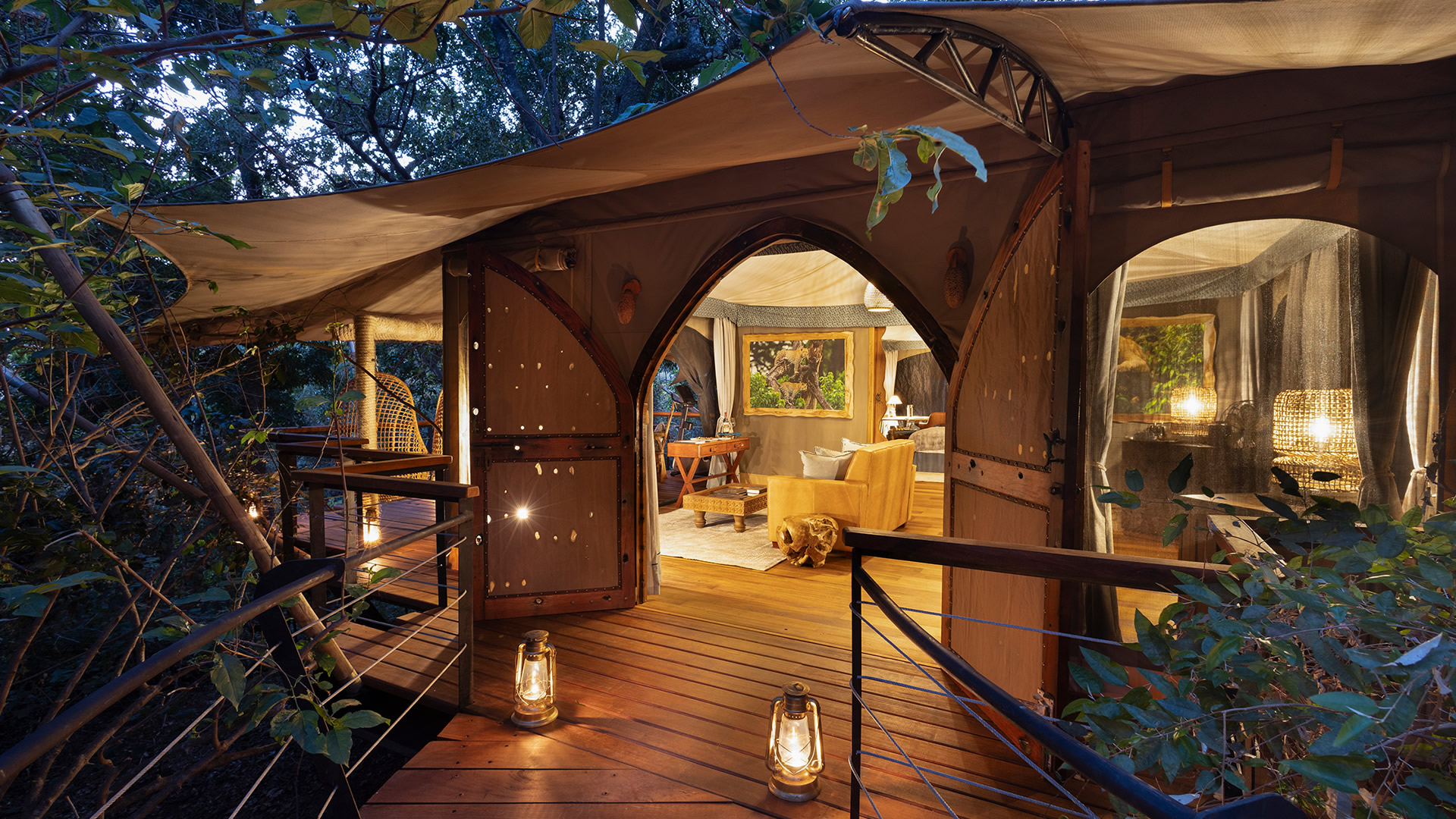
Camp rates come in two shapes, and it pays to know which you are reading.
| Rate type | What it covers | Where you see it |
|---|---|---|
| Full board | Room and meals only | Most camps inside the national reserve |
| Game package or all inclusive | Room, meals, all game drives, conservancy fees, often drinks and laundry | Most conservancy camps |
Two camps quoting similar nightly rates can therefore differ by several hundred dollars a day once everything is counted. We always show the fully loaded figure per person, so the comparison is honest. The bands are set out in what USD 1,500 a night actually buys.
Two worked examples
Two adults, three nights in the reserve, August
- Reserve fees: USD 200 per adult per day, about USD 1,200 for two adults over three days.
- Camp at USD 800 per person per night, full board: USD 4,800.
- Drinks, laundry and a balloon flight one morning: allow USD 1,200.
- Roughly USD 7,200 for the pair, before flights.
Two adults, three nights in a conservancy, August
- Camp at USD 1,350 per person per night, including conservancy fees, all drives, house drinks and laundry: USD 8,100.
- One day into the reserve for a crossing, with fees: about USD 400.
- Roughly USD 8,500 for the pair, before flights, with far fewer vehicles all week.
The gap is smaller than the headline rates suggest, and the second week is quieter by a wide margin.
If you live in East Africa
Citizens and residents of Kenya, Uganda, Tanzania and Rwanda pay in shillings, at a fraction of the non resident rate, on production of a national ID or a passport with a valid residence permit at the gate. Camps offer resident rates as well, and the two together change the arithmetic entirely.
Our resident offers are priced in Kenya shillings with the fees already counted, so the figure you see is the figure you pay.
Other charges to budget for
| Charge | Typical cost | Notes |
|---|---|---|
| Balloon safari | About USD 500 per person | Includes the flight, the champagne breakfast and the flight fee |
| Airstrip and landing fees | Small | Usually inside your flight cost |
| Vehicle entry fee | Per vehicle, per day | Normally handled by your camp |
| Private vehicle | USD 450 to 900 per day | Optional, and worth it in some cases only |
| Gratuities | Discretionary | We give a guideline with every proposal |
How often fees change
Narok County reviews the reserve fee periodically, and conservancies review their leases with the landowners. Increases are usually announced a few months ahead and take effect at the start of a season.
We confirm the current figures at the time of quoting rather than relying on last season, and if a fee rises between your quote and your travel dates, we tell you before you are asked to pay it.
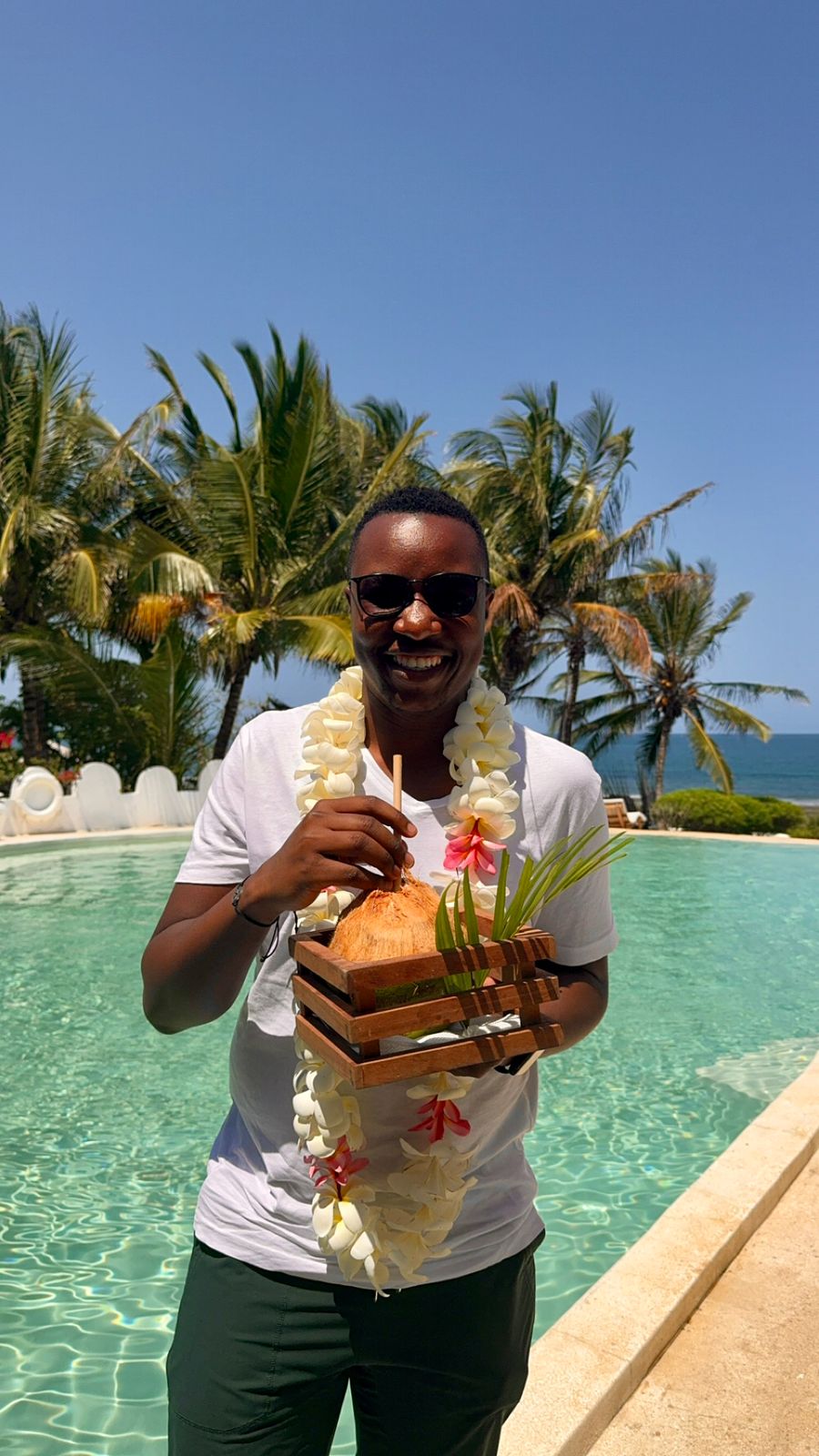
Written by Abner Ongeri, founder of Ongeri Expeditions in Karen, Nairobi. We visit every camp we sell, and we plan these journeys every week. Last checked 11 September 2026.