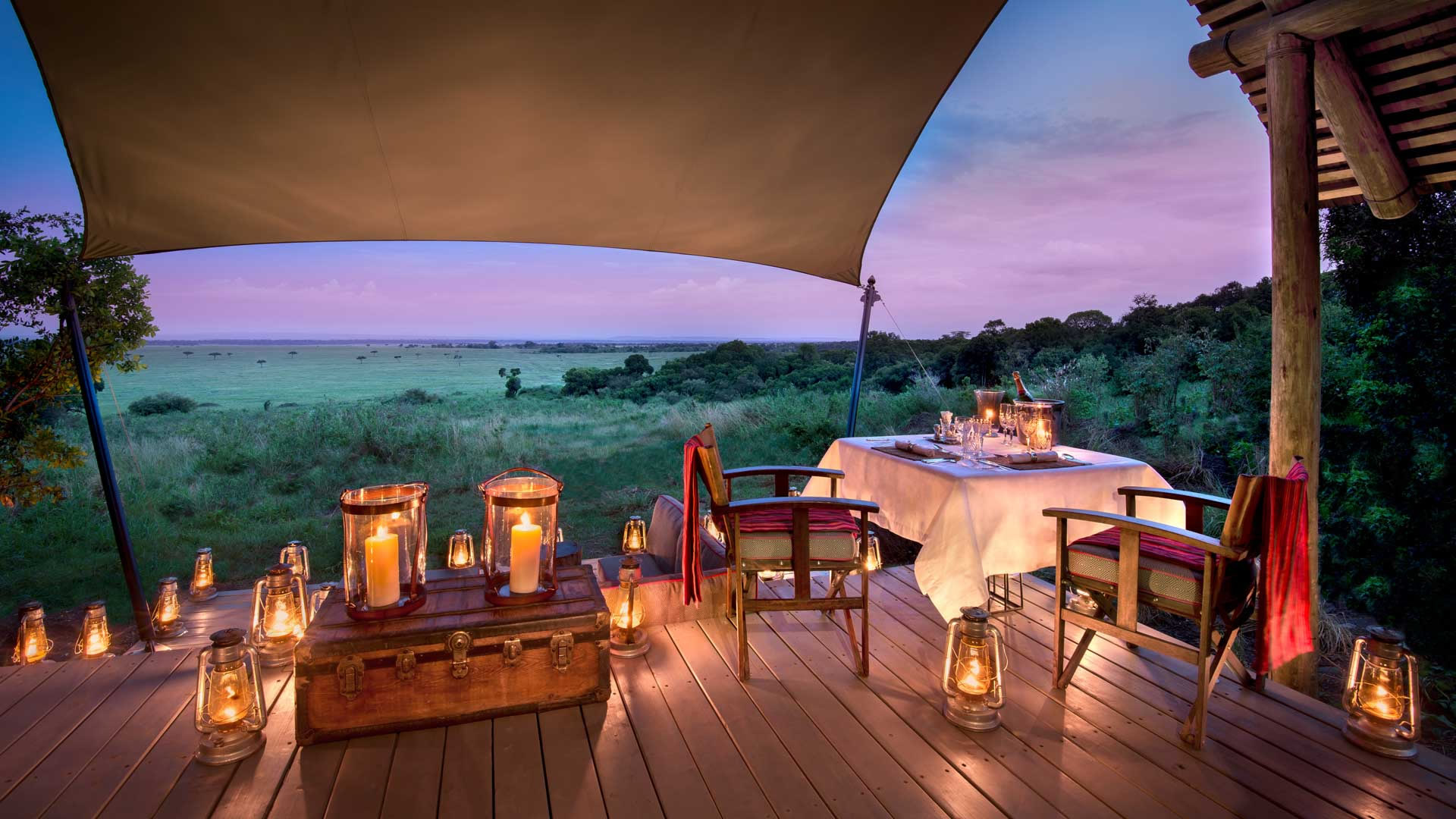
In short
- The Maasai Mara National Reserve is public land run by Narok County. Any vehicle with a ticket may drive it, on roads and in daylight only.
- The Mara Triangle is the western third of the reserve, run separately by the Mara Conservancy. Same rules, better enforcement, far fewer vehicles, and the northern river crossing points.
- The conservancies are private land leased from Maasai families. Beds are capped, so vehicles are capped, and off road driving, night drives and walking are allowed.
- The Mara River crossings happen in the reserve and the Triangle, not in the conservancies.
- Reserve entry in 2026 is USD 100 per adult per day from January to June and USD 200 from July to December. Conservancy fees of about USD 80 to 150 per person per night are usually inside your camp rate.
- Our usual advice for a week: a few nights in a conservancy, then a few in the Triangle.
Guests choose a camp first and the area second. We would do it the other way around. Where you may drive, at what hours, and alongside how many other vehicles, shapes a Mara week far more than the size of your bathroom.
There are three answers. Here is what each one gives you.
1. The national reserve, Narok side
The eastern and central parts of the reserve, entered at Sekenani, Talek, Oloolaimutia and Sand River, are managed by the Narok County Government. This is the Mara of the documentaries: Musiara Marsh, the Talek River, the double crossing points, and the greatest concentration of big cats in Kenya.
It is public land. Anyone with a ticket may drive, including day visitors from Nairobi and larger minibus groups. Off road driving is prohibited, night drives are not permitted, and tickets run for daylight hours.
The national reserve, in short
- Who may drive
- Anyone holding a ticket
- Rules
- Roads only, daylight only, no walking
- Fees in 2026
- USD 100 per adult per day to June, USD 200 from July
- Strength
- Big cat density and the classic crossing points
- Weakness
- Company at a good sighting in peak season
- Suits
- A first safari that wants the documentary Mara
2. The Mara Triangle
The western third of the reserve, beyond the Mara River and beneath the Oloololo Escarpment, is run by the Mara Conservancy on behalf of Trans Mara County. The rules are the same as the rest of the reserve, but enforcement is better, the roads are maintained, and vehicle numbers are far lower because fewer camps sit on that side.
The northern crossing points are here, which is why the Triangle fills from July to October.
The Mara Triangle, in short
- Who may drive
- Anyone holding a ticket, but far fewer camps
- Rules
- Roads only, daylight only, no walking
- Fees in 2026
- The same structure as the reserve
- Strength
- Reserve wildlife and crossings, with a fraction of the traffic
- Weakness
- No off road driving, so photography is road bound
- Suits
- The crossing season, and guests who want space

3. The private conservancies
Around the northern and eastern edges of the reserve sit the conservancies: Olare Motorogi, Naboisho, Mara North, Ol Kinyei, Olderkesi and others. Maasai landowners lease their land to a small number of camps and receive a monthly income for keeping it open to wildlife, free of fences and of cattle at night.
The agreements cap the number of beds, usually at one tent per several hundred acres. Because beds are capped, vehicles are capped. Off road driving is allowed, so are night drives and walking safaris, and camps limit how many vehicles attend a sighting.
The conservancies, in short
- Who may drive
- Guests of the conservancy camps only
- Rules
- Off road driving, night drives and walking allowed
- Fees in 2026
- About USD 80 to 150 per person per night, usually in your rate
- Strength
- The quietest and most flexible game viewing in the ecosystem
- Weakness
- No river crossings, so a crossing day means driving in
- Suits
- Photographers, families, repeat guests, and anyone who dislikes crowds
The comparison, plainly
| Reserve, Narok side | Mara Triangle | Conservancies | |
|---|---|---|---|
| Who may drive | Anyone with a ticket | Anyone with a ticket, fewer camps | Conservancy camp guests only |
| Off road driving | No | No | Yes |
| Night drives | No | No | Yes |
| Walking safaris | No | No | Yes |
| Vehicles at a sighting | Many in peak season | Noticeably fewer | Capped, sometimes only yours |
| River crossings | Yes | Yes, the northern points | No, drive into the reserve |
| Fees, 2026 | USD 100 to 200 per adult per day | The same structure | USD 80 to 150 per person per night, usually included |
What each one costs
Reserve camps usually quote full board and add park fees, drinks and any private vehicle. Conservancy camps usually quote a game package that already includes the conservancy fee, all drives, and often house drinks and laundry.
That difference matters more than the nightly rate. A reserve camp at USD 800 in August, plus USD 200 a day in fees, plus drinks and a vehicle, lands close to a conservancy camp at USD 1,350 that includes everything, with more company all week.
The full arithmetic, with worked examples, is in Maasai Mara fees explained, and the price bands are in what USD 1,500 a night actually buys.
Which camps sit where
| Area | Camps we book most |
|---|---|
| Reserve, Narok side | Ishara Mara, Elewana Sand River, the Governors camps |
| Mara Triangle | Angama Mara, &Beyond Kichwa Tembo, &Beyond Bateleur, Olonana, Pearl Mara |
| Olare Motorogi | Mara Plains Camp, Mahali Mzuri |
| Naboisho | Mara Nyika, Naboisho Camp, Hemingways Ol Seki |
| Mara North | Mara Toto Tree Camp |
| Olderkesi | Cottar's 1920s Camp |
Every one of them is in our collection, with photographs and a note on who each suits.
A word about crowds
The stories of forty vehicles at a crossing are true, and they are almost always about the eastern reserve in August. They are not the whole Mara. On the same morning, a guest in Olare Motorogi may watch a leopard for an hour with nobody else present.
If crowds would spoil it for you, say so when you enquire. We will put you on private land and tell you plainly which weeks in the reserve are worth the company.
What we usually suggest
- Four nights or more: split the stay. Two or three nights in a conservancy, then two or three in the Triangle or the reserve.
- Three nights or fewer: choose one. July to October, the Triangle or the reserve. November to June, a conservancy every time.
- Photographers: a conservancy, and a private vehicle. Read when a private vehicle is worth paying for.
- Families with young children: a conservancy, where drive times bend around the children rather than the gate hours.
If you live in East Africa
Citizens and residents of Kenya, Uganda, Tanzania and Rwanda pay a fraction of the non resident fee, in shillings, on production of an ID or a passport with a residence permit. Camps offer resident rates as well, and the two together change the arithmetic entirely, often making a conservancy the better value option.
Our resident offers are quoted in Kenya shillings with the fees already counted.
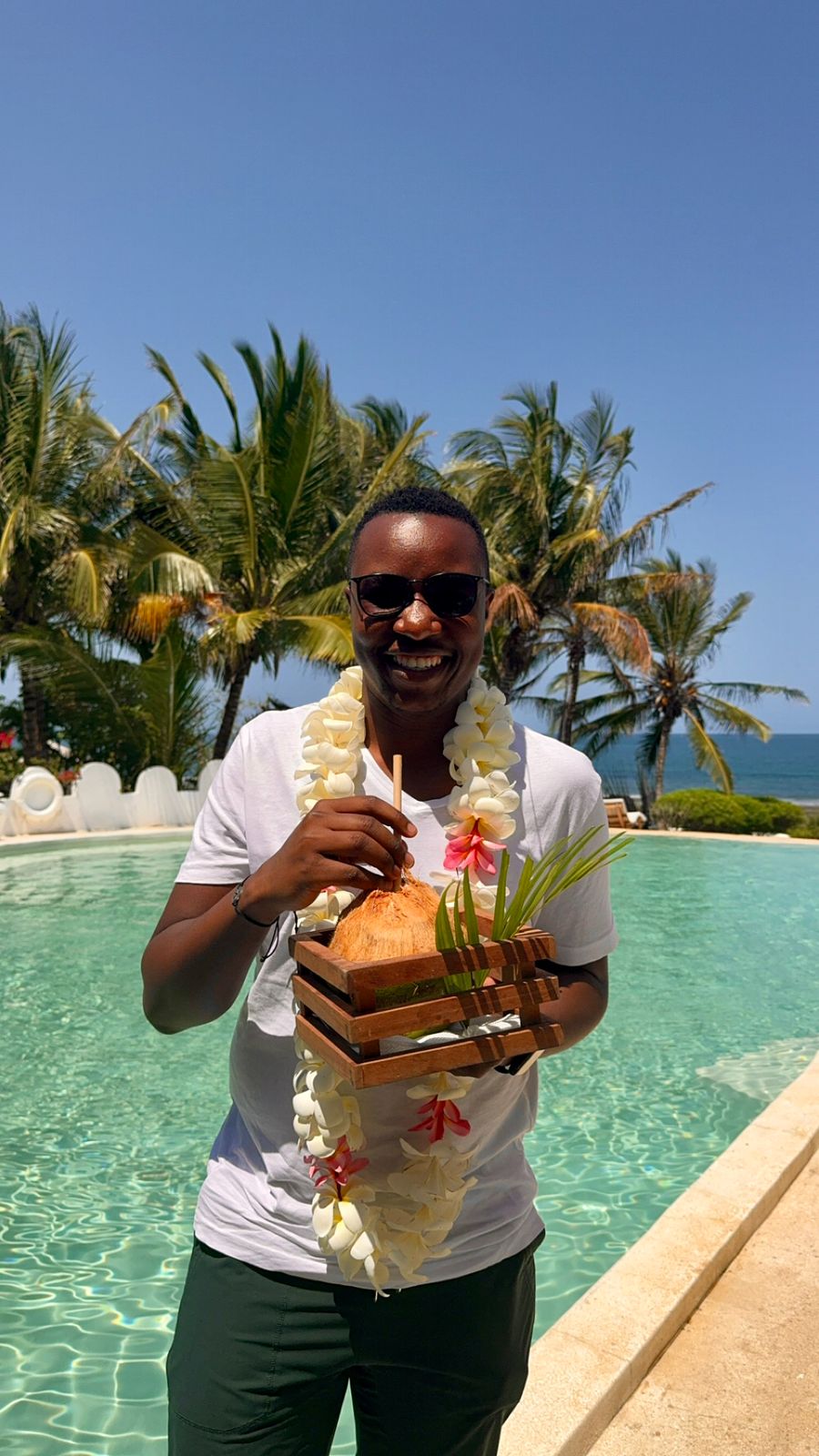
Written by Abner Ongeri, founder of Ongeri Expeditions in Karen, Nairobi. We visit every camp we sell, and we plan these journeys every week. Last checked 18 September 2026.