Luxury safaris in the Maasai Mara, Amboseli, Laikipia and the Kenyan coast
The birthplace of safari, and the country we know a track at a time.
The word is Swahili and the practice started here, which is not a marketing line but a fact with consequences. A century of guiding tradition sits behind every camp on this page, and it shows in the people who take you out each morning.
What sets Kenya apart now is the conservancy model, which it invented. On the land bordering the Maasai Mara, Maasai families lease their parcels collectively on condition the land stays open and unfenced. Camps are capped by acreage. Off road driving, night drives and walking are permitted, none of which the reserve allows. The lease is paid whether or not guests arrive, which is precisely why the land is still there.
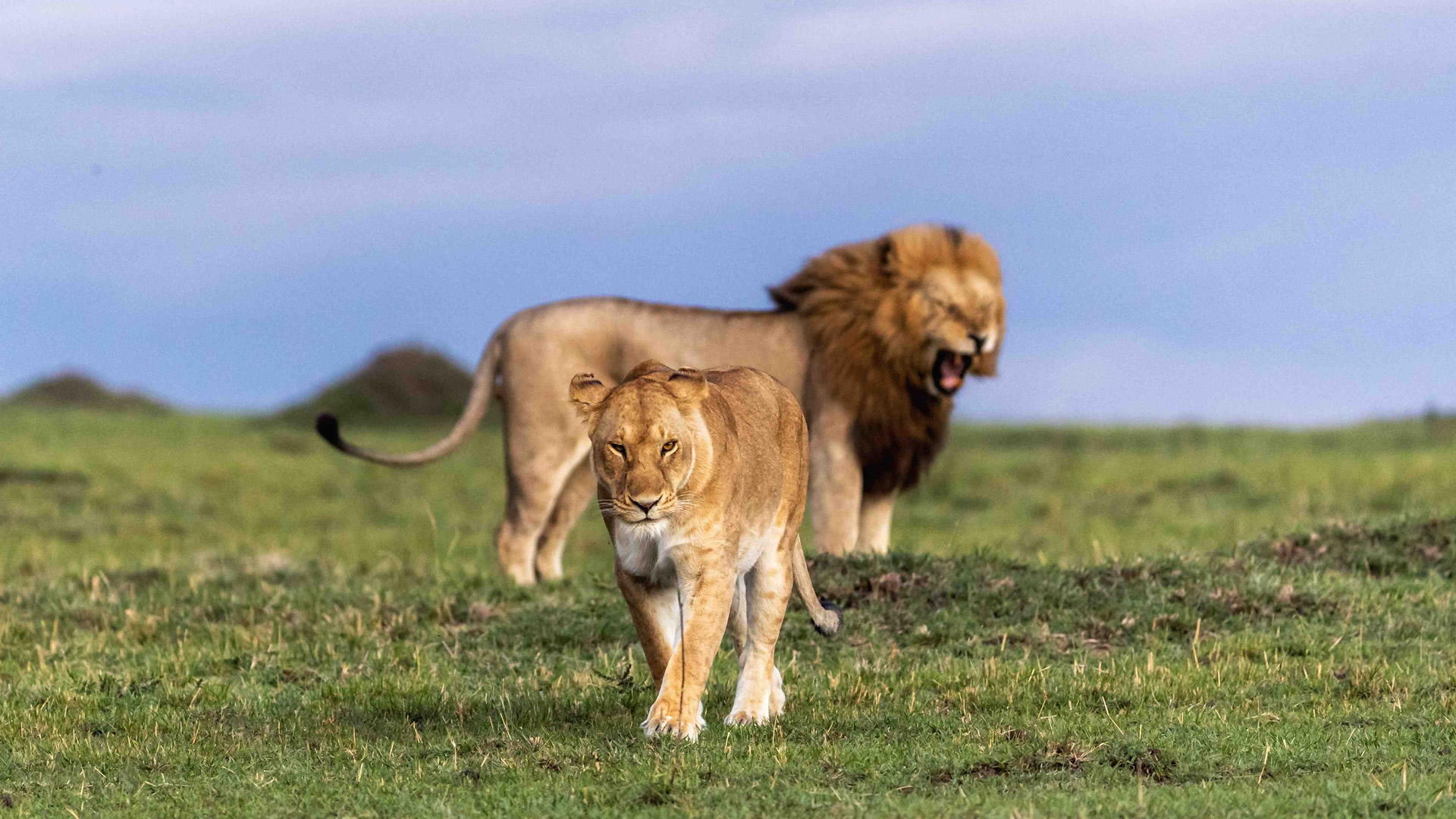
Then there is the geography. The parks sit close together, the flying is short, and you can pair big cats, elephants beneath Kilimanjaro and an ocean inside ten days. Very few countries offer that, and none of them offers it this easily.
Ongeri Expeditions is based in Karen, Nairobi. This is not a destination we sell. It is where we live.
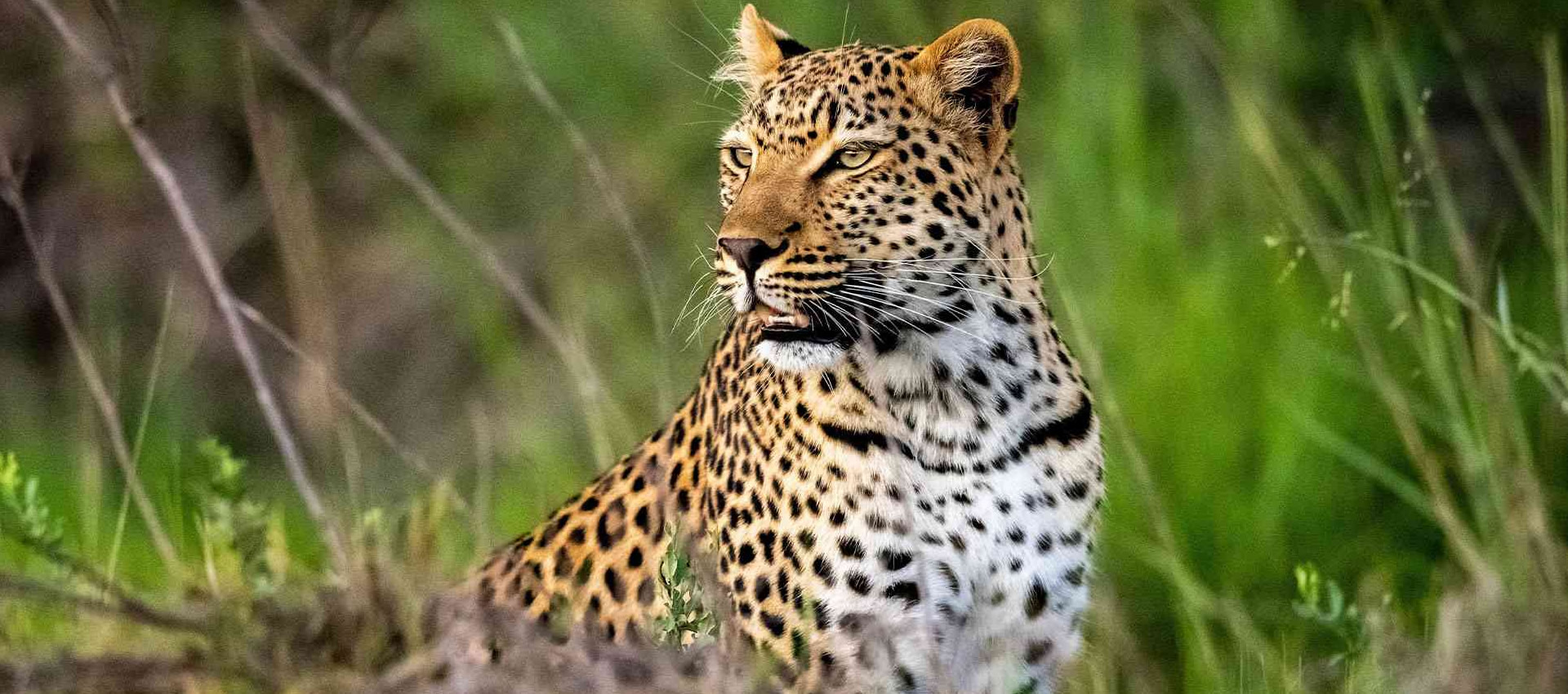
The most reliable big cat viewing on earth, and from July to October the Great Migration. The private conservancies on its northern edge permit off road driving, night drives and walking, none of which the reserve allows.
View Destination →
Elephants beneath Kilimanjaro, and the finest view of the mountain anywhere in Africa. Forty five minutes from Nairobi by air, and utterly unlike the Mara in every respect.
View Destination →
Private conservancies across Ol Pejeta, Loisaba, Segera, Ol Jogi, Ol Lentille and Suyian. Walking, riding, camel treks, night drives and rhino tracking, on land managed privately rather than as a park.
Explore Journeys →
A UNESCO World Heritage Site and one of the great conservation stories in Africa. Black and white rhino, Grevy's zebra and reticulated giraffe, on land that pioneered the conservancy model.
Explore Journeys →
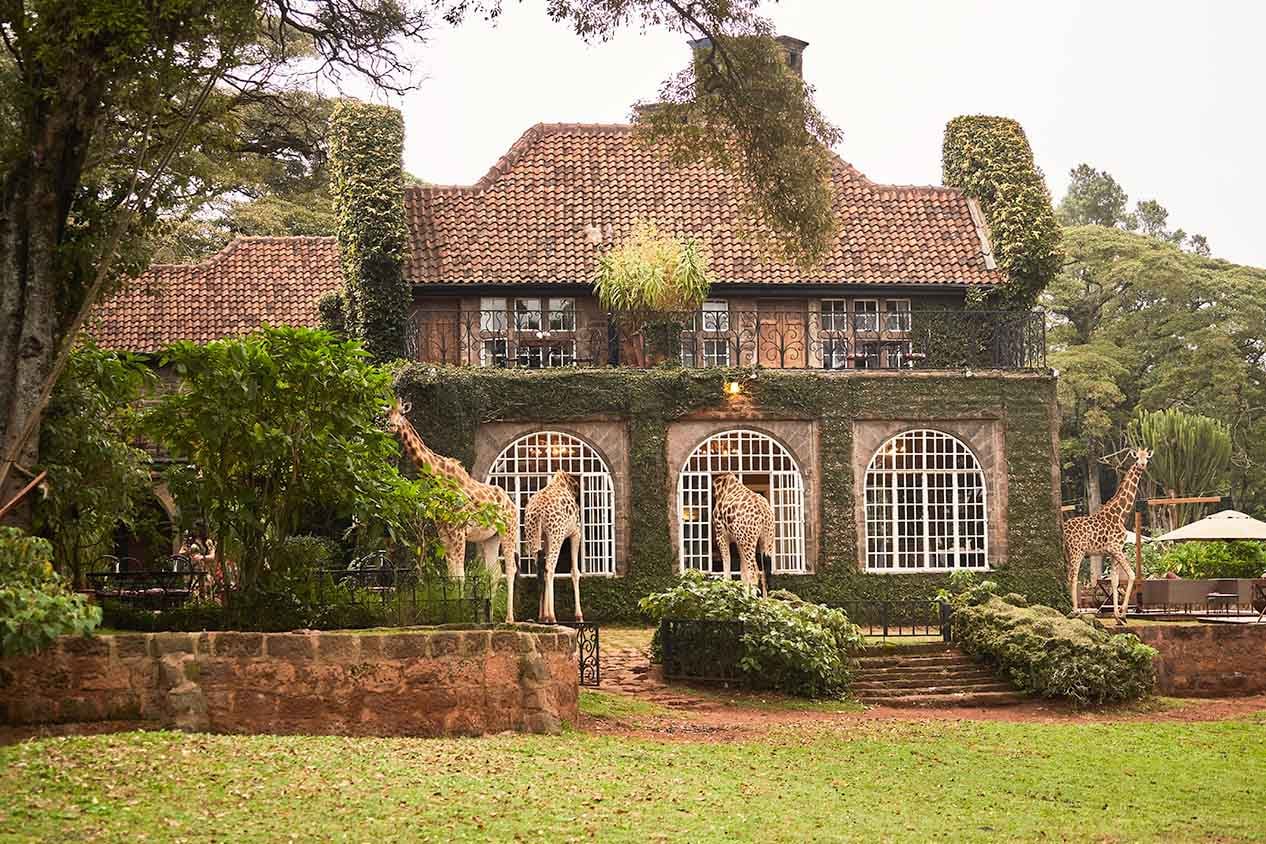
Red dust, ancient lava flows and the Mzima Springs. Kenya's largest protected area, dramatic and comparatively empty, with Finch Hattons at its heart.
Explore Journeys →
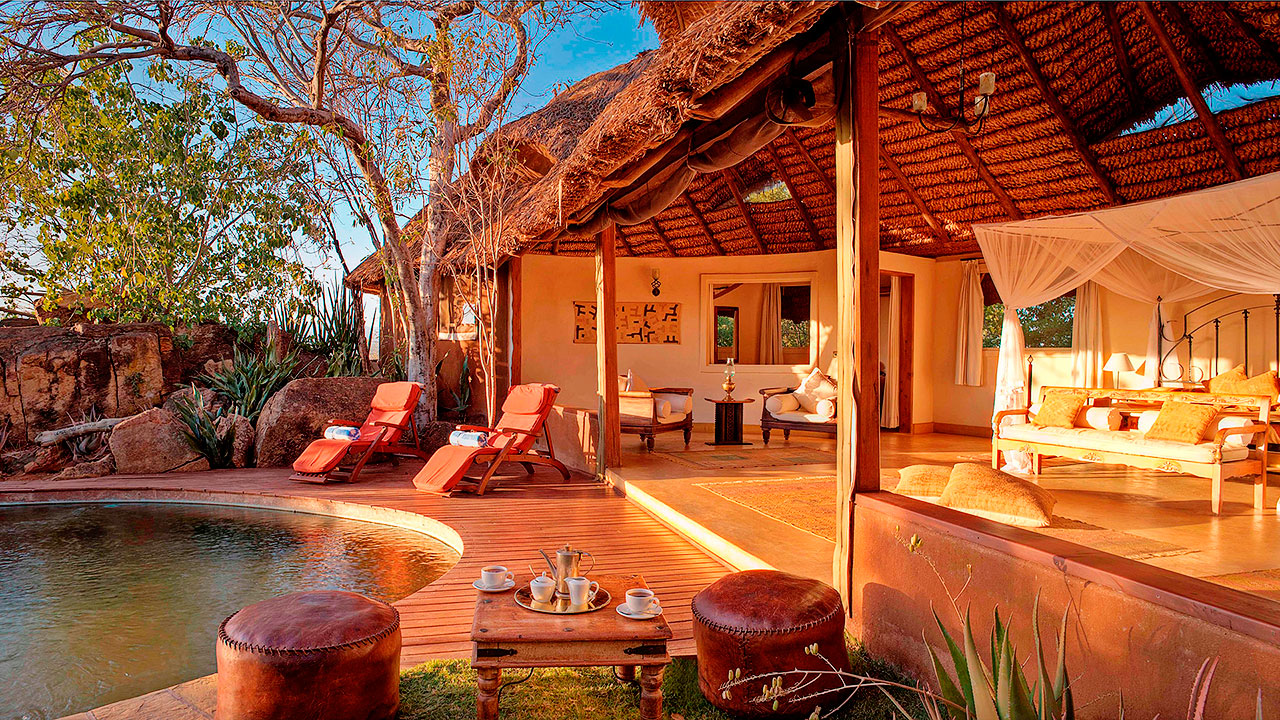
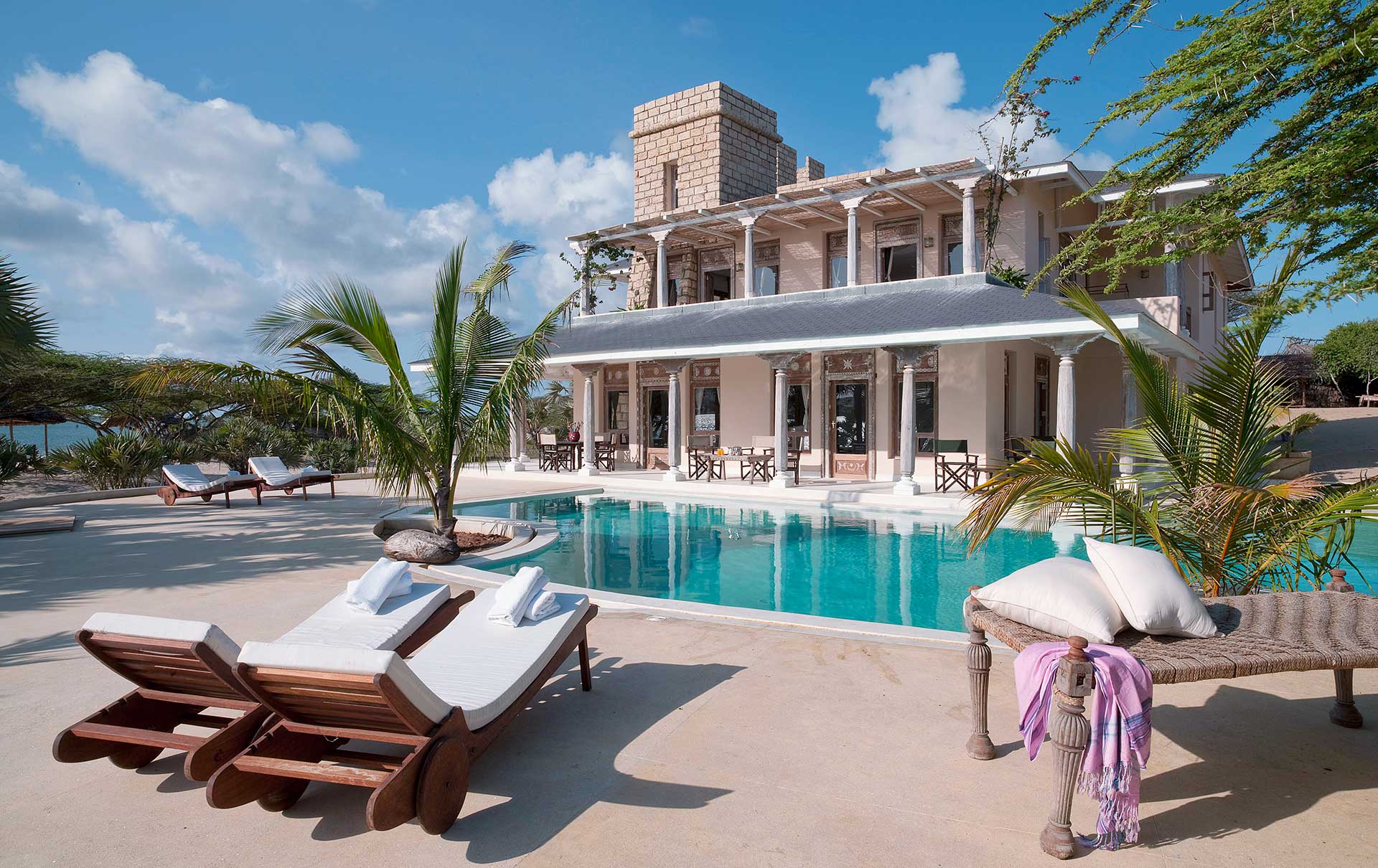
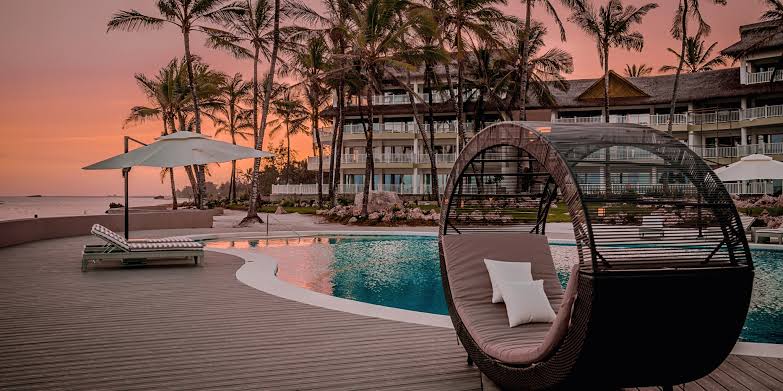
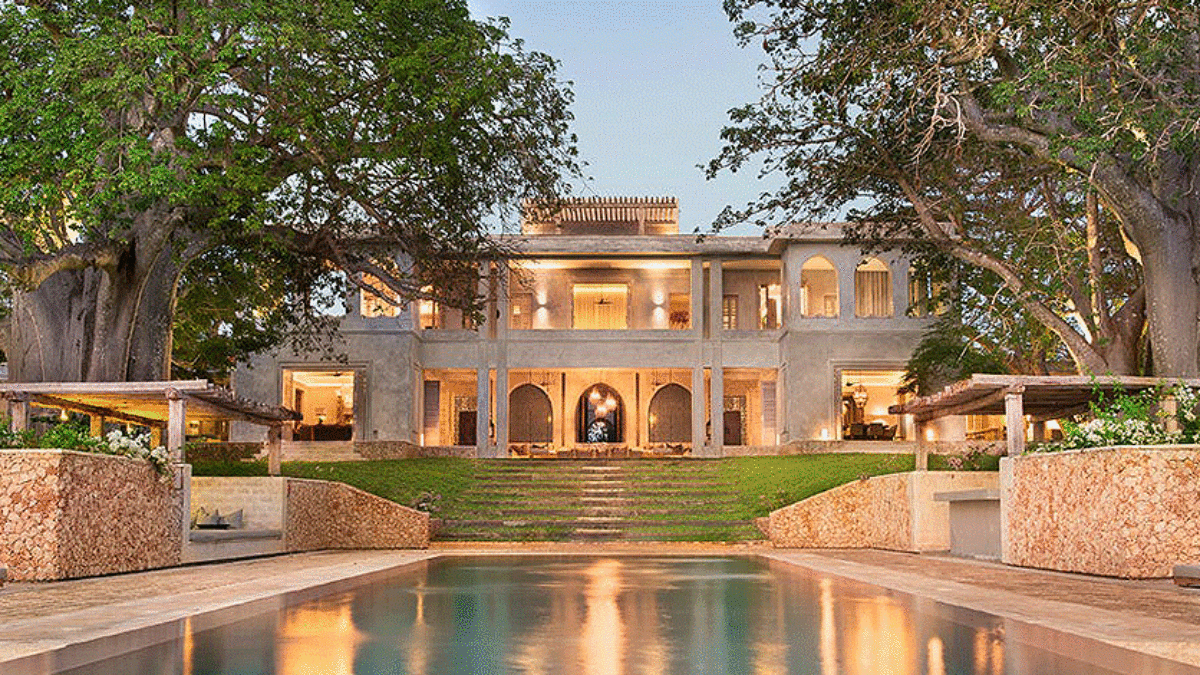
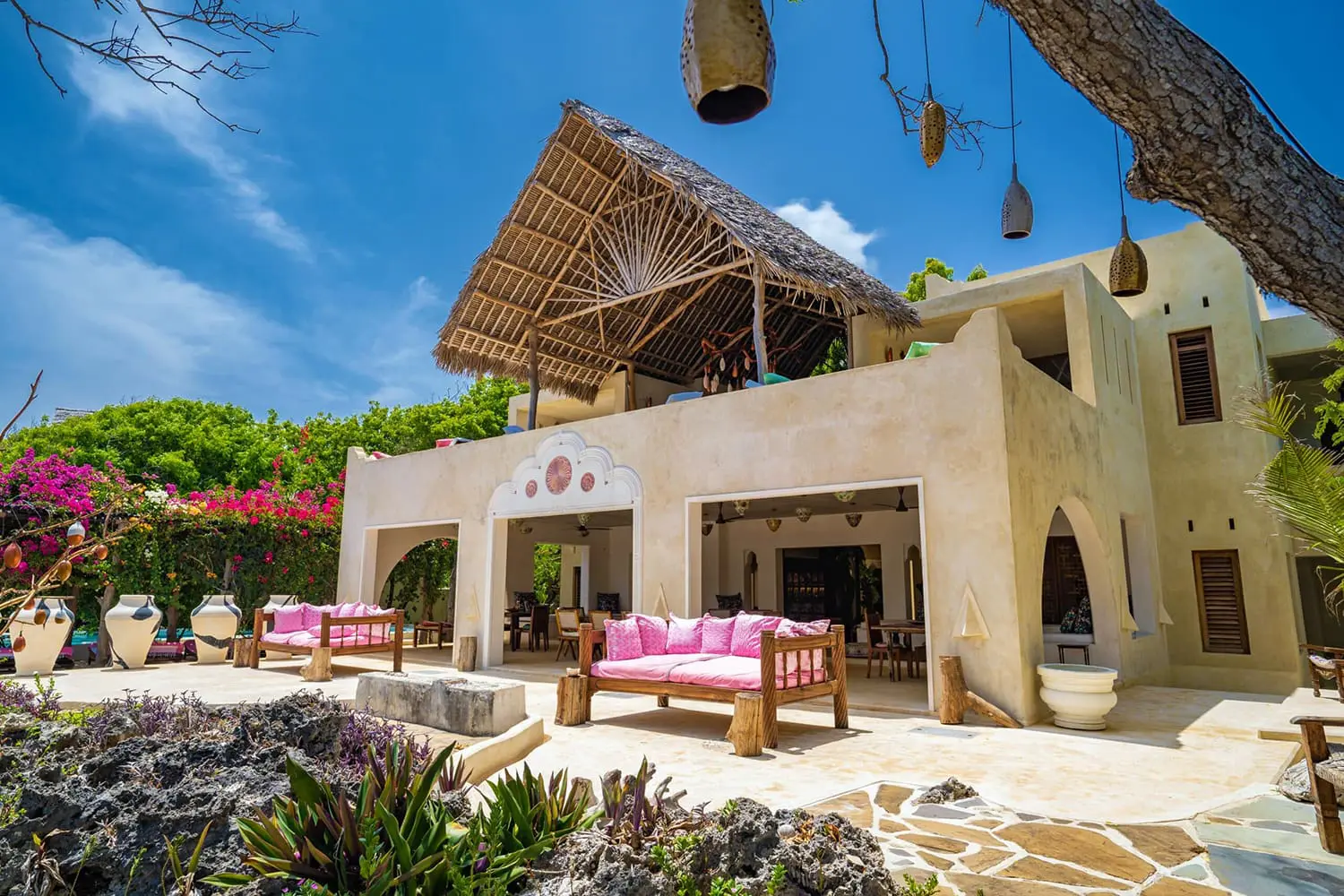
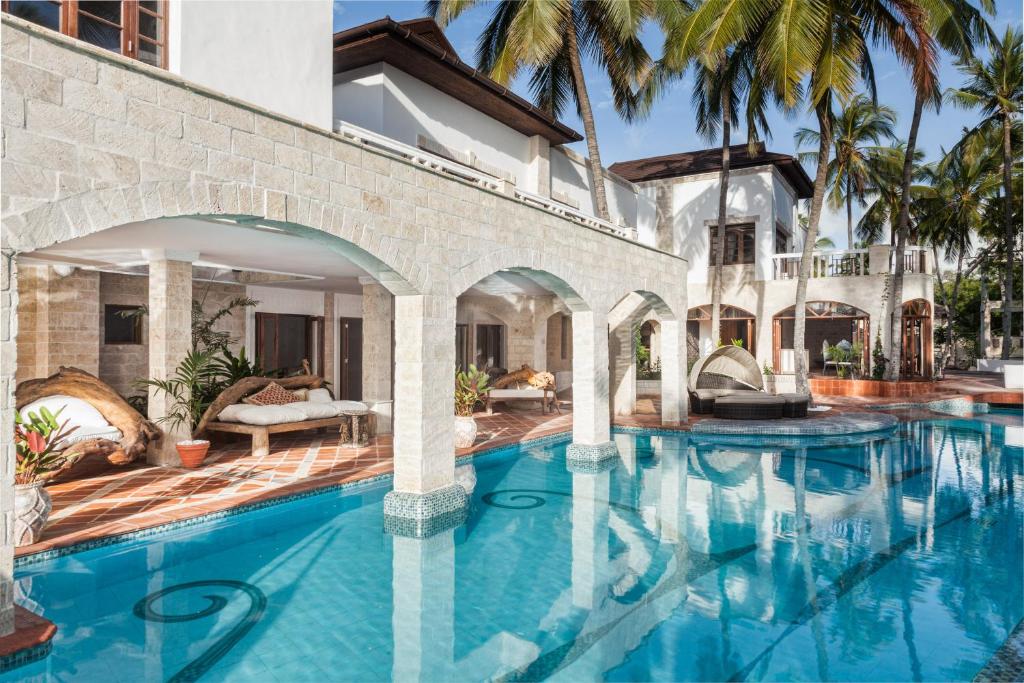
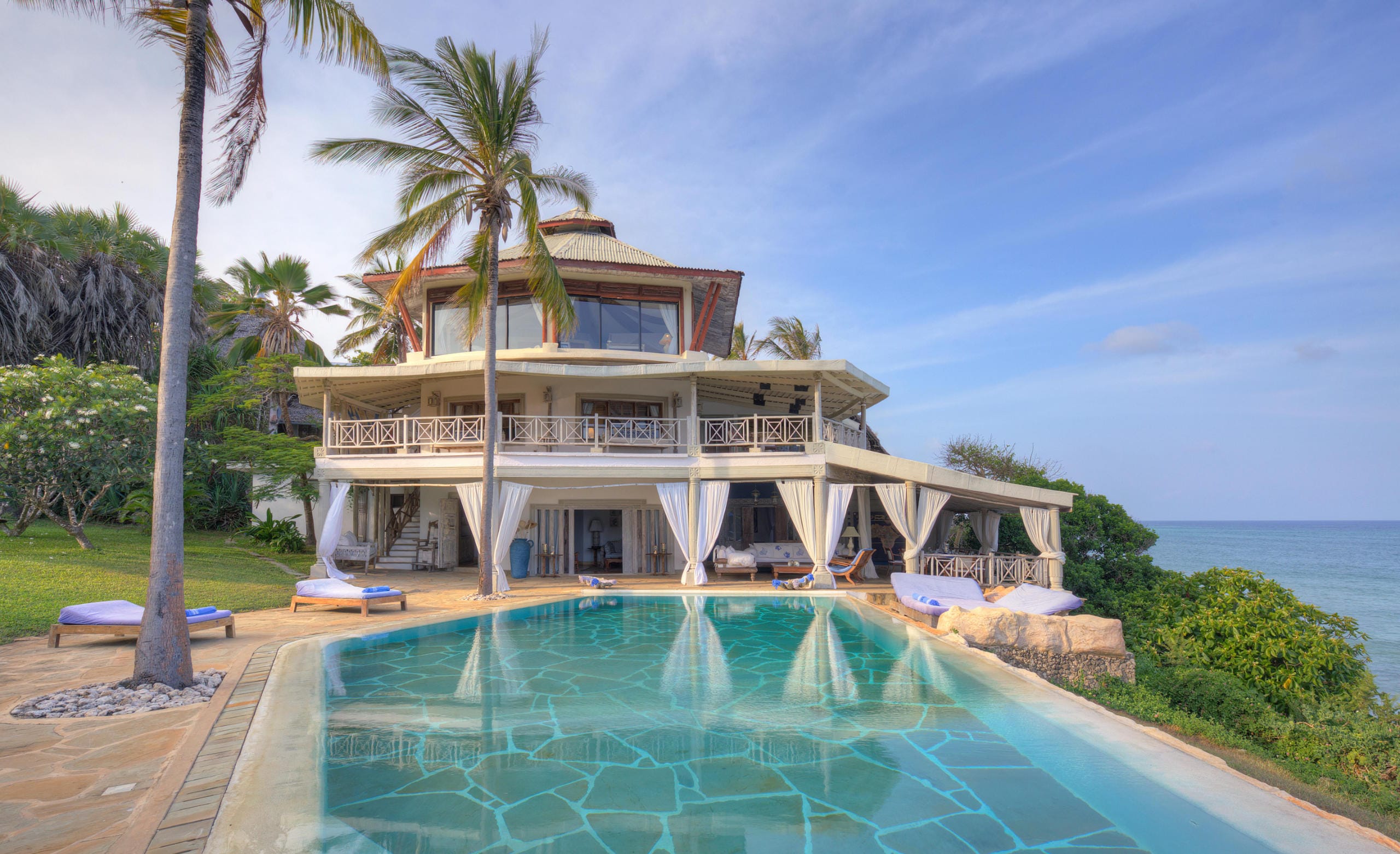
Diani, Watamu and Lamu. An hour from the Mara by air, and the natural finale to any Kenyan safari. Private villas on the sand, and the Indian Ocean warm all year.
Explore Journeys →The word itself is Swahili, and the practice began here. A century of guiding tradition sits behind every camp on this page.
Kenya pioneered community owned conservancies, where Maasai landowners lease their land on condition it stays open. They permit off road driving, night drives and walking that the reserves do not.
Amboseli to the Mara is forty five minutes by light aircraft. Three utterly different landscapes fit comfortably into a week here, which is not true of most safari countries.
The Mara River crossings happen on the Kenyan bank between July and October. Nowhere on earth concentrates that much wildlife into that small an area.
Lewa, Ol Pejeta and Laikipia hold black and white rhino in numbers, on land that pioneered the conservation model the rest of Africa now follows.
Diani, Watamu and Lamu are an hour from the Mara by air. The bush and beach finale is easier here than anywhere else on the continent.
The herds are in the Maasai Mara and the river crossings begin. The busiest and most expensive months, and the best camps are held twelve to eighteen months ahead.
Hot, dry and beautifully clear, with the best light of the year. Quieter than the Migration months and considerably better value. One of the most underrated windows in the calendar.
The long rains. The landscape at its most beautiful, extraordinary skies, newborn animals and the lowest rates of the year. Laikipia and Lewa hold up particularly well.
June sits between the rains and the crowds and is superb value. November brings brief afternoon showers and a green flush. Early December is dry, quiet and one of the better secrets.
Nine luxury Kenya safaris designed by Ongeri Expeditions, from four nights in the Maasai Mara to nine days across Amboseli, the Mara and Laikipia. Every one can be rebuilt entirely around your dates.
Amboseli, the Maasai Mara and Laikipia in one journey, flown between so no day is lost to a road. Elephants beneath Kilimanjaro, then the plains at their most dramatic, then walking and rhino tracking in the highlands. If you take one Kenyan safari in your life, this is the one we would build.
Both banks of the Mara River in a single week, three nights on the Kenyan side and three in the northern Serengeti. A private vehicle throughout, and a balloon flight at dawn. Wherever the herds are that week, you are already on the right side of the water.
A week of five o'clock starts while you still have the energy for them, then a week with no alarm at all. The Mara first, then the Indian Ocean, in the order that actually works rather than the one that looks neat on a map.
Amboseli, the Maasai Mara, the Serengeti and the Ngorongoro Crater. The four landscapes everybody pictures when they picture Africa, on one grand circuit across Kenya and Tanzania.
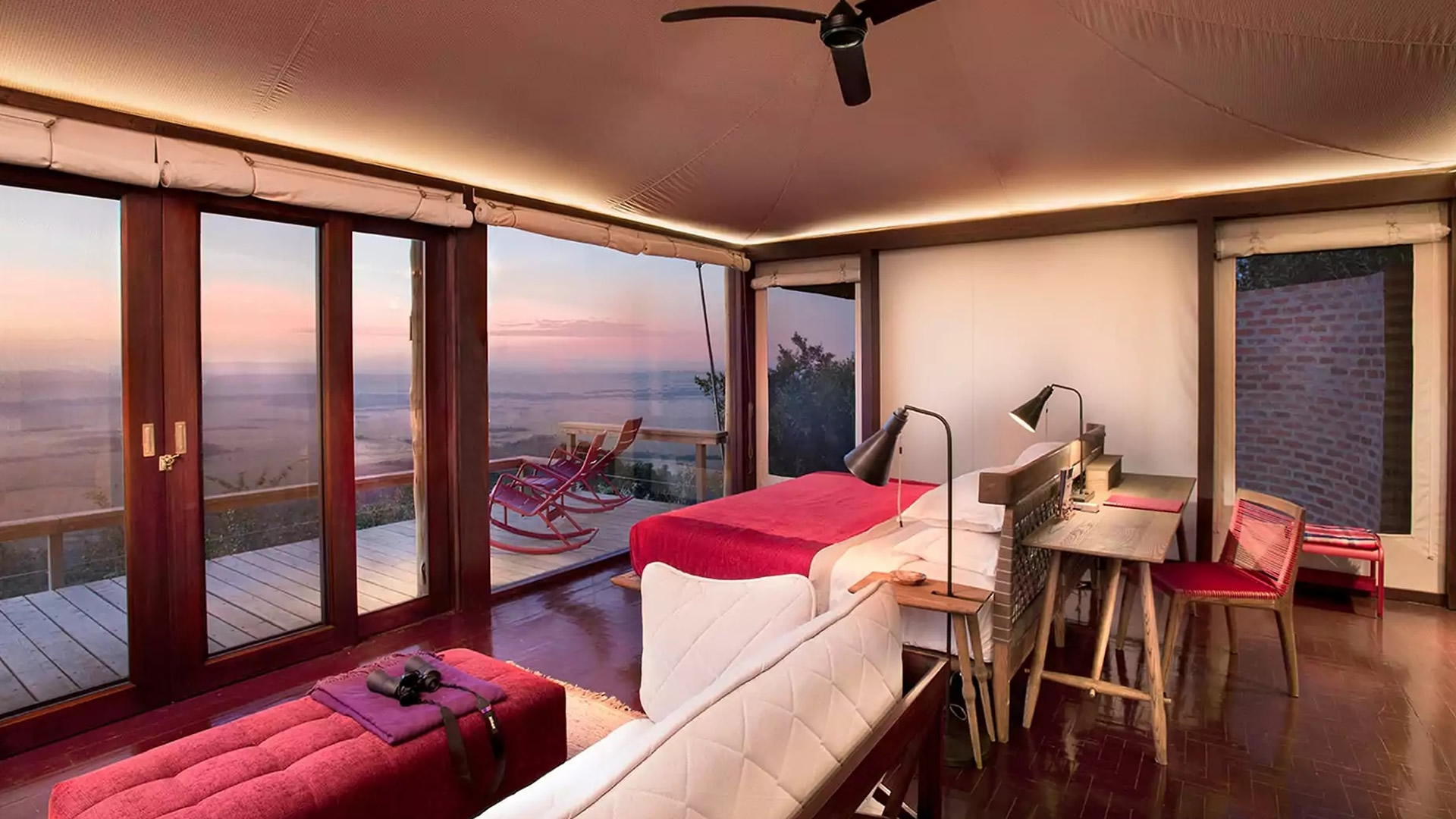
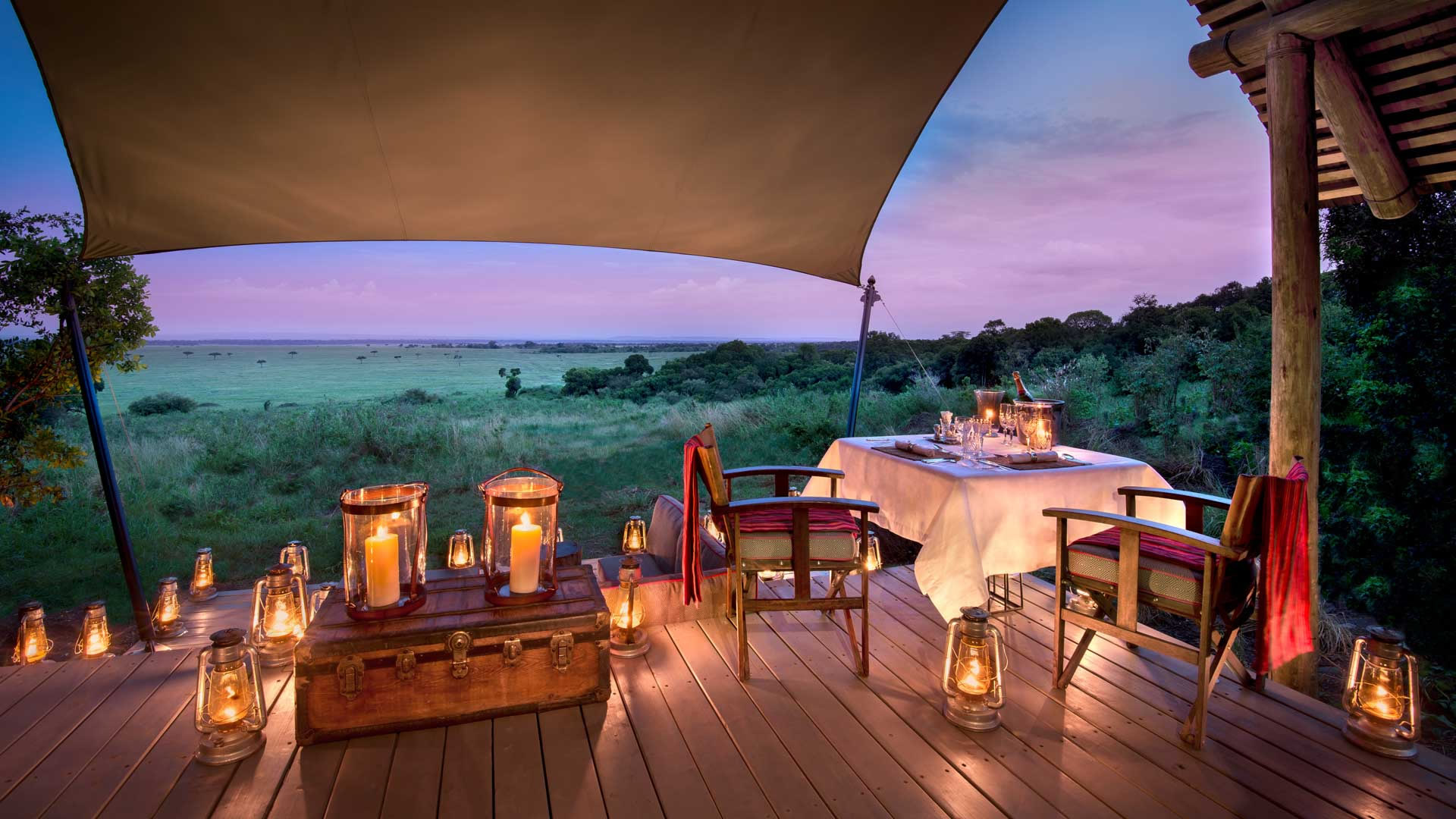
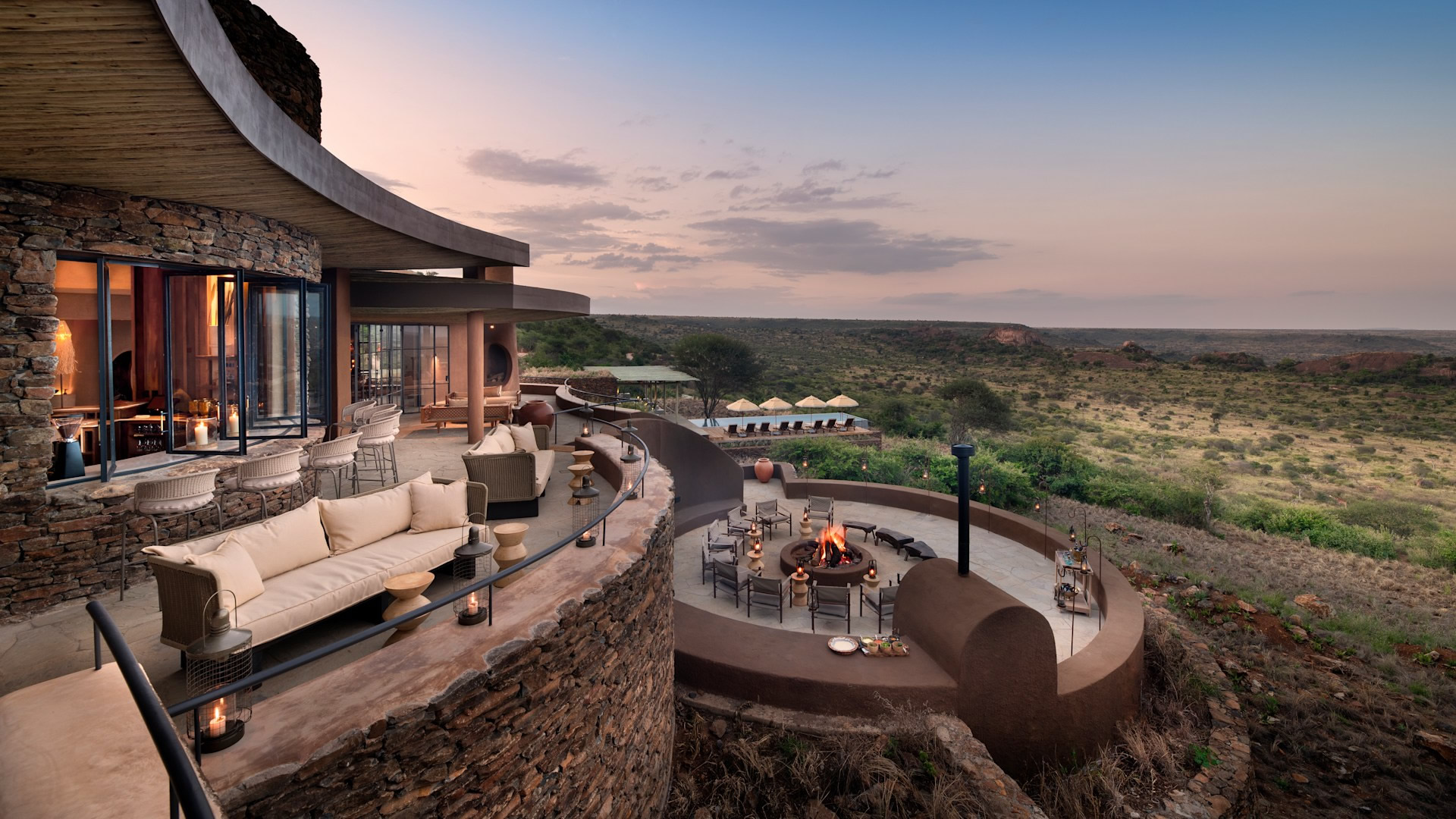
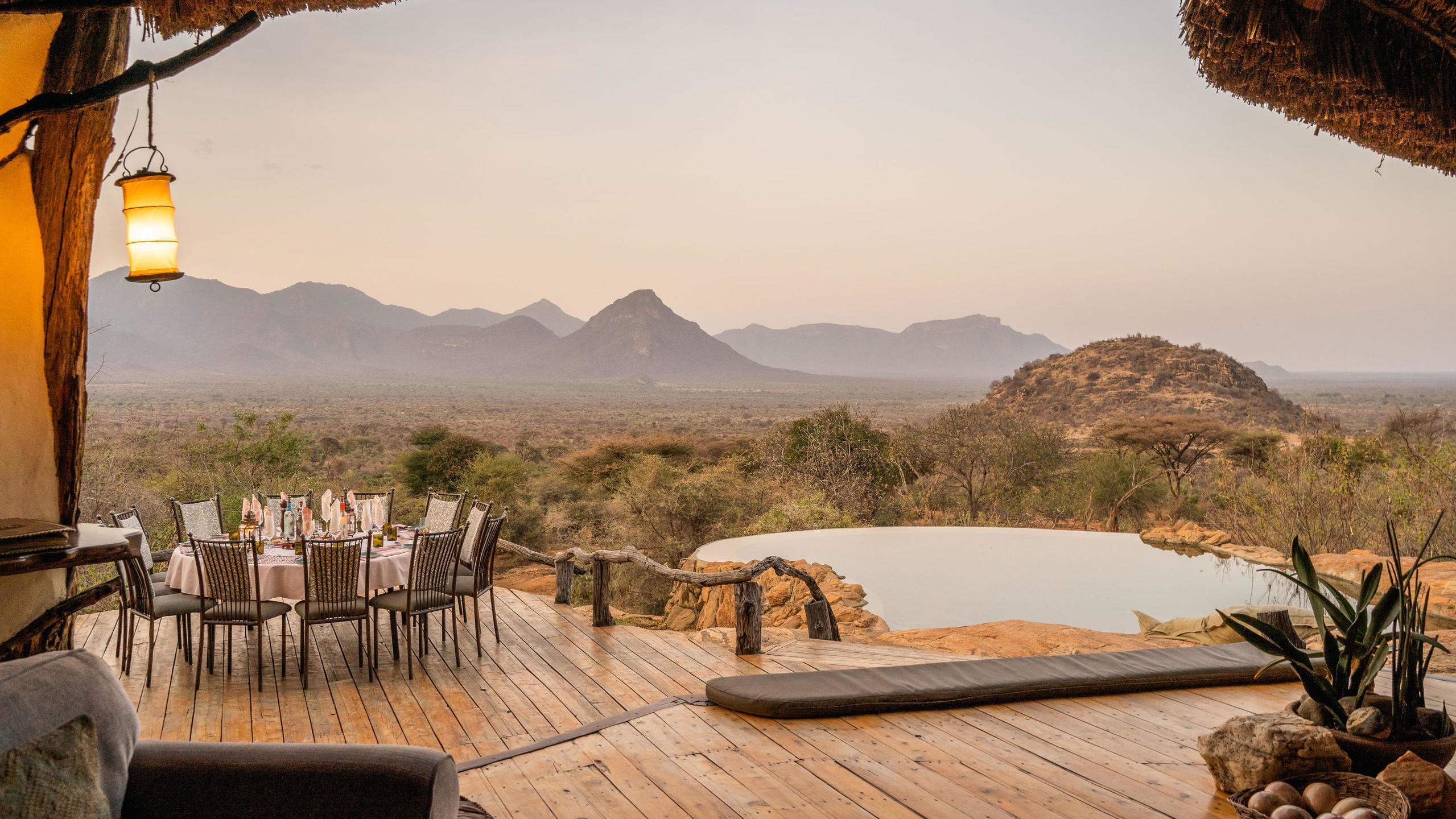
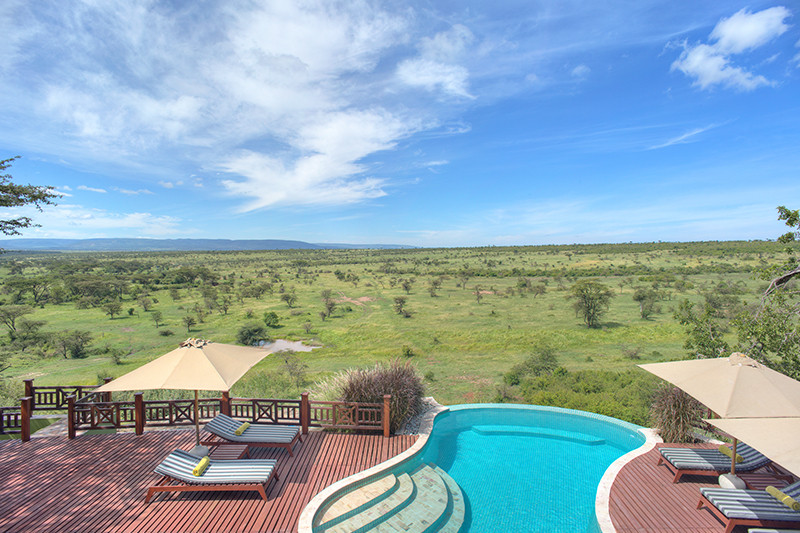
Pay for three nights and stay for five, at the lodge suspended a thousand feet above the Mara Triangle. The view from the deck is the one from Out of Africa, and it does not disappoint.
Nairobi, Lewa, the Maasai Mara and Amboseli. Built around the fifth of the Big Five, the one that decides a route: Lewa holds black and white rhino reliably, and very few itineraries bother to include it.
The Mara and Amboseli, then a flight east to the spice islands. Eleven days, two countries, and the most affordable way we know to do both properly rather than rushing one of them.
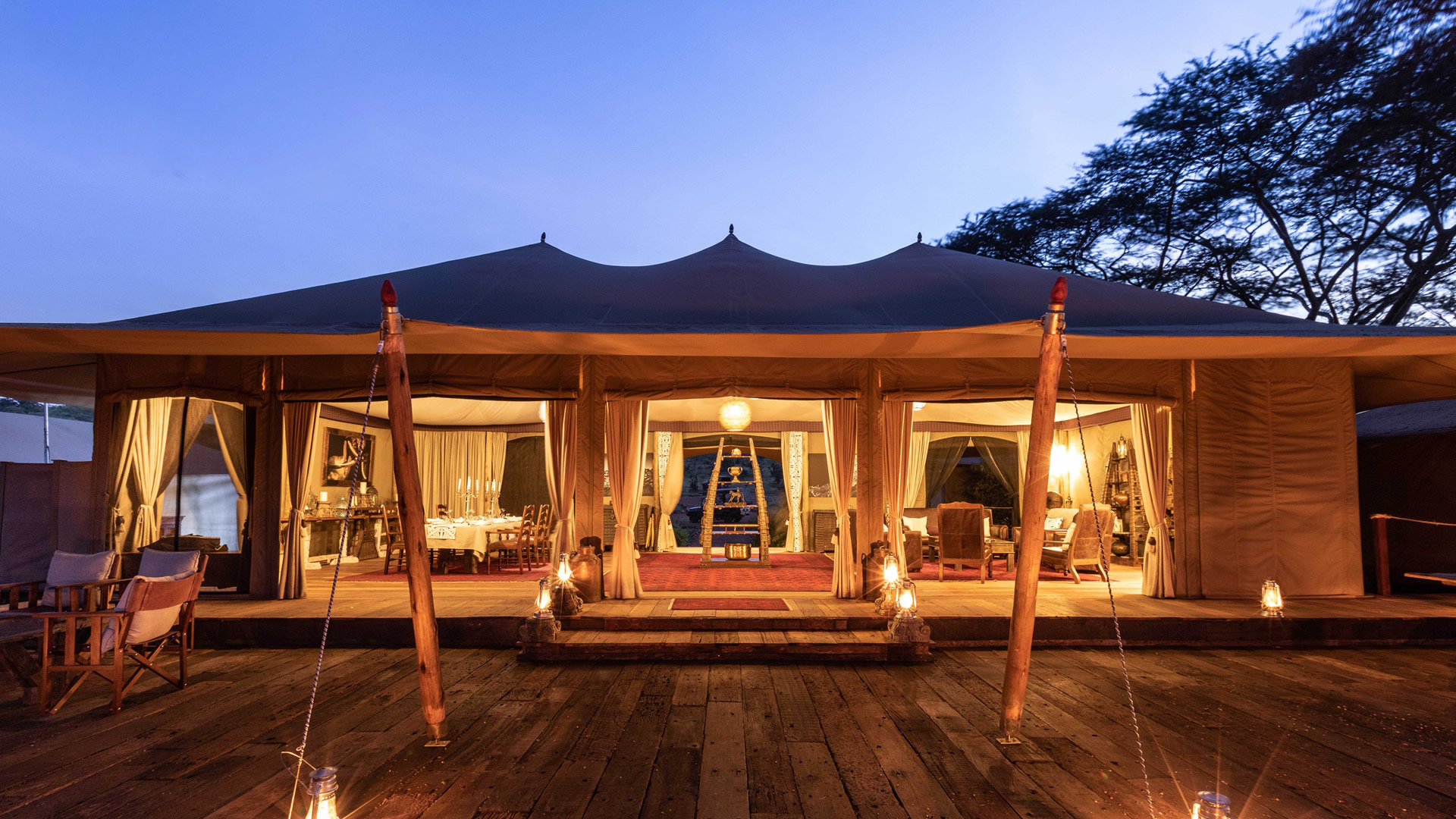
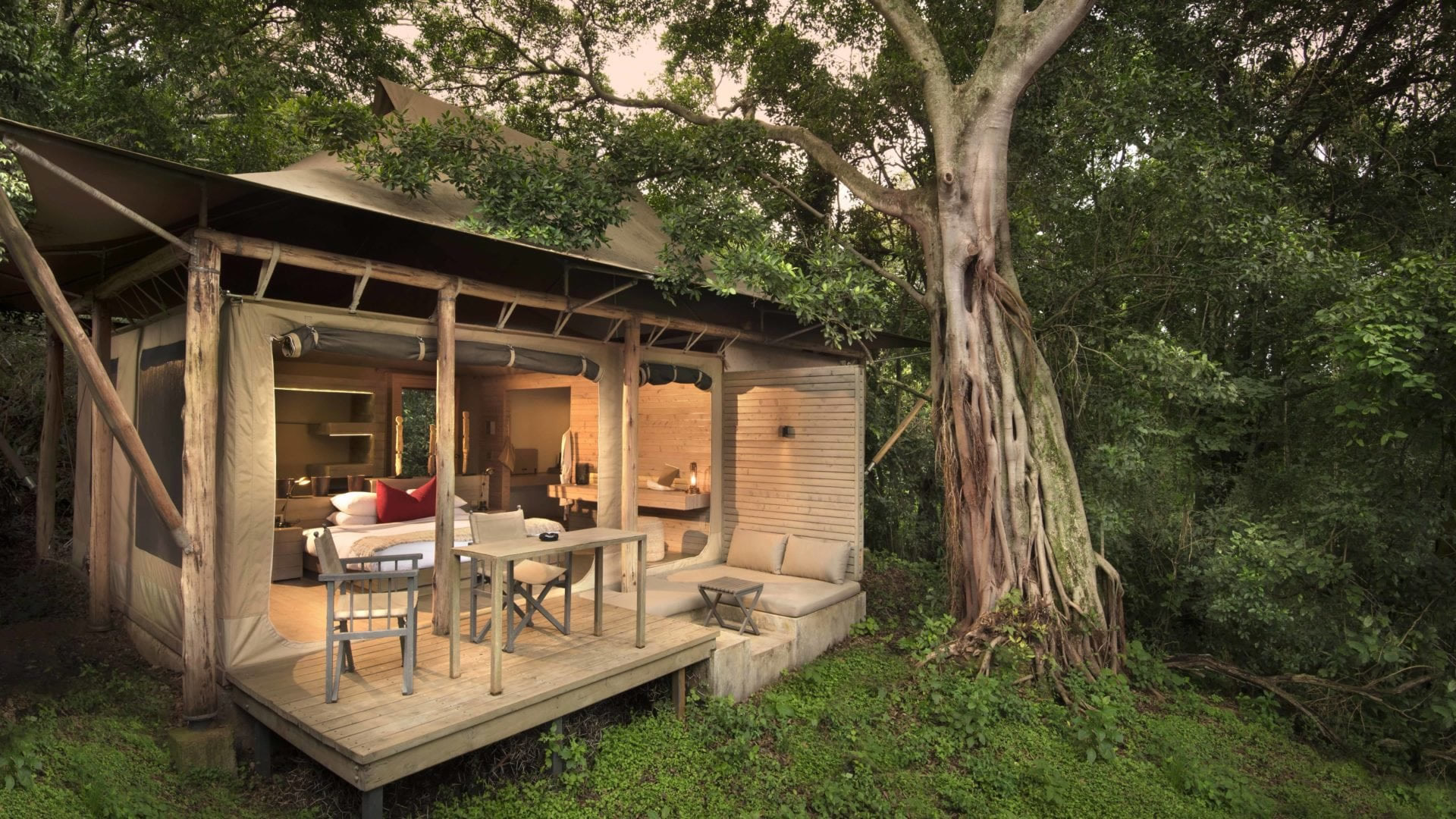
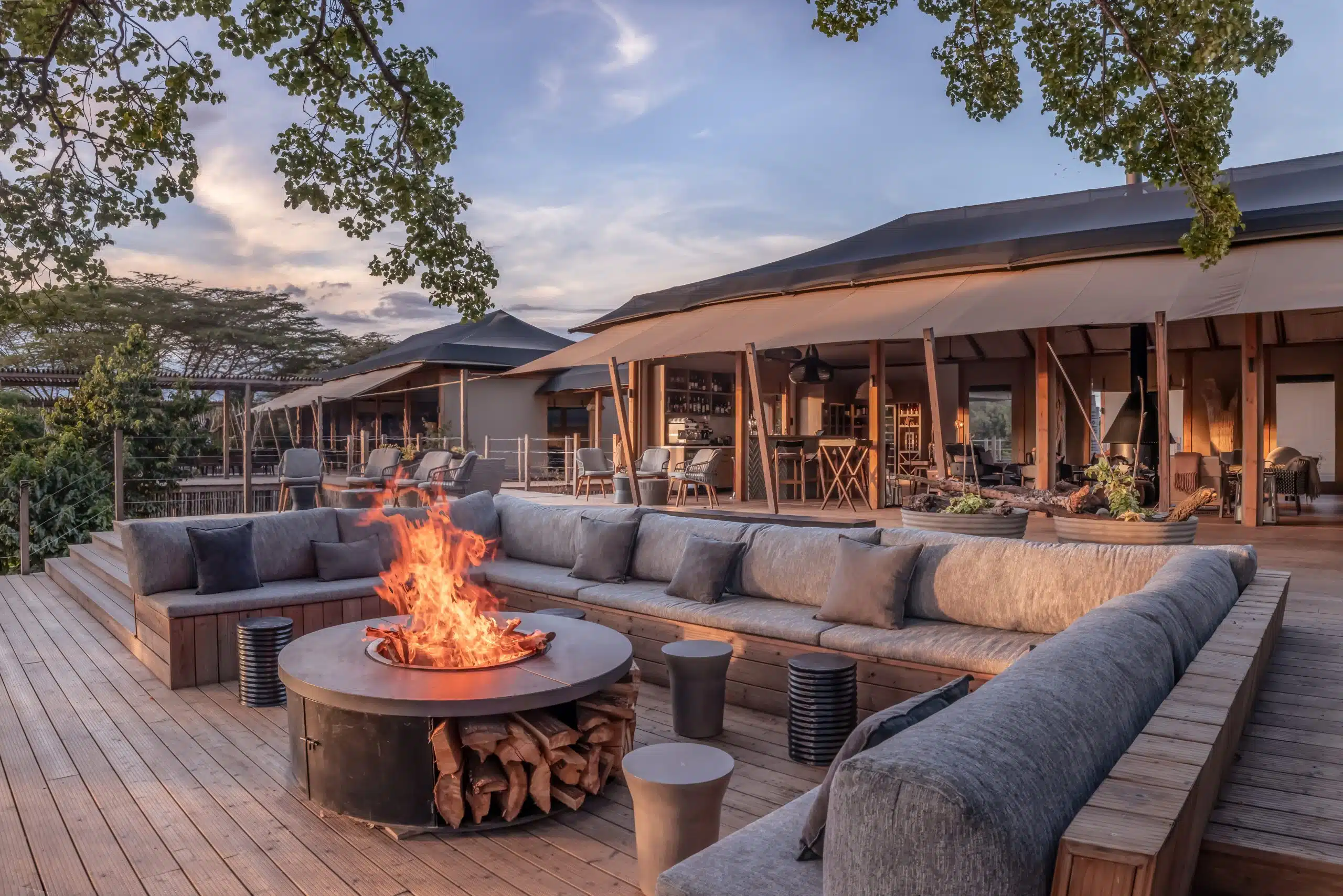
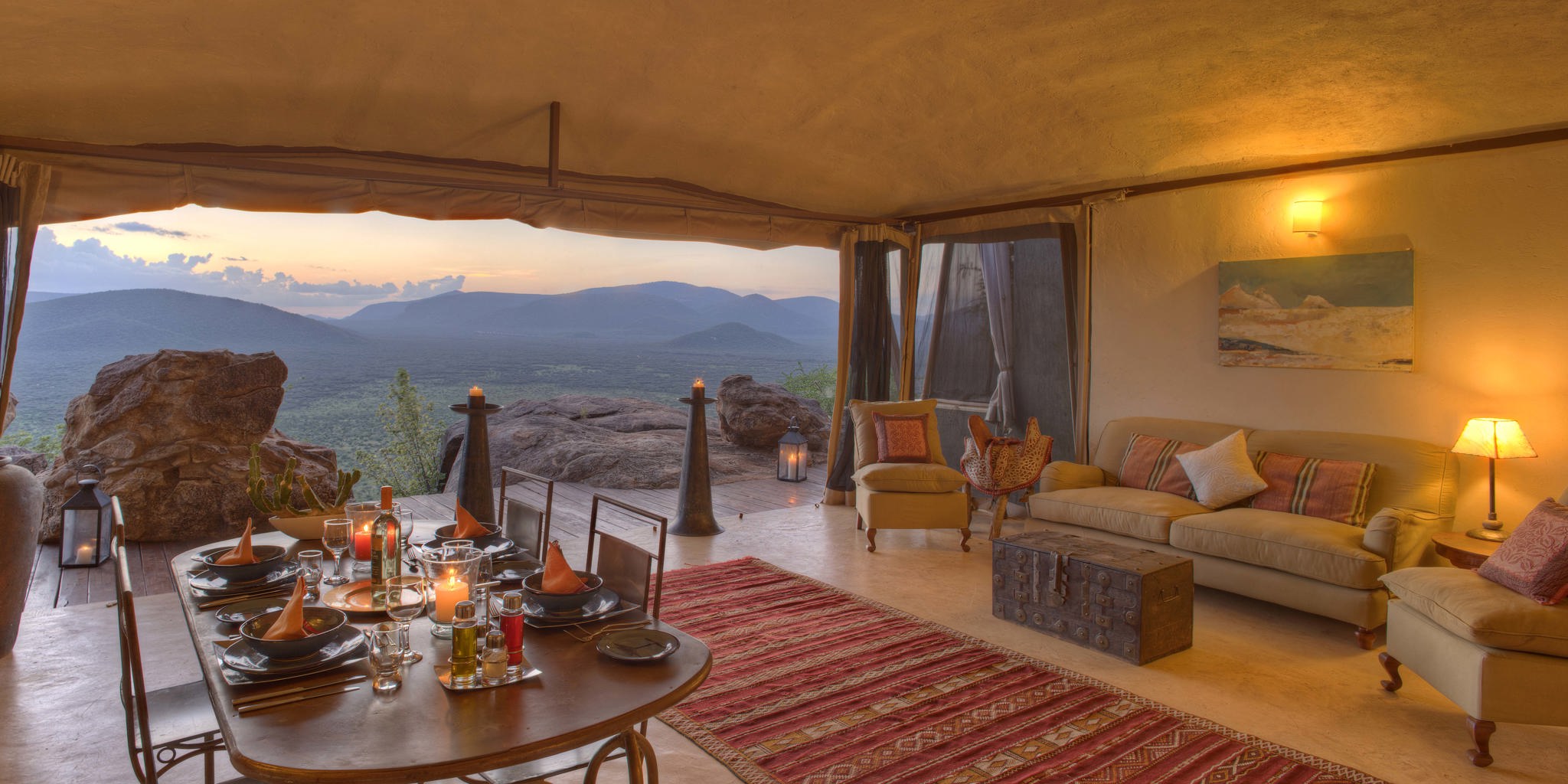
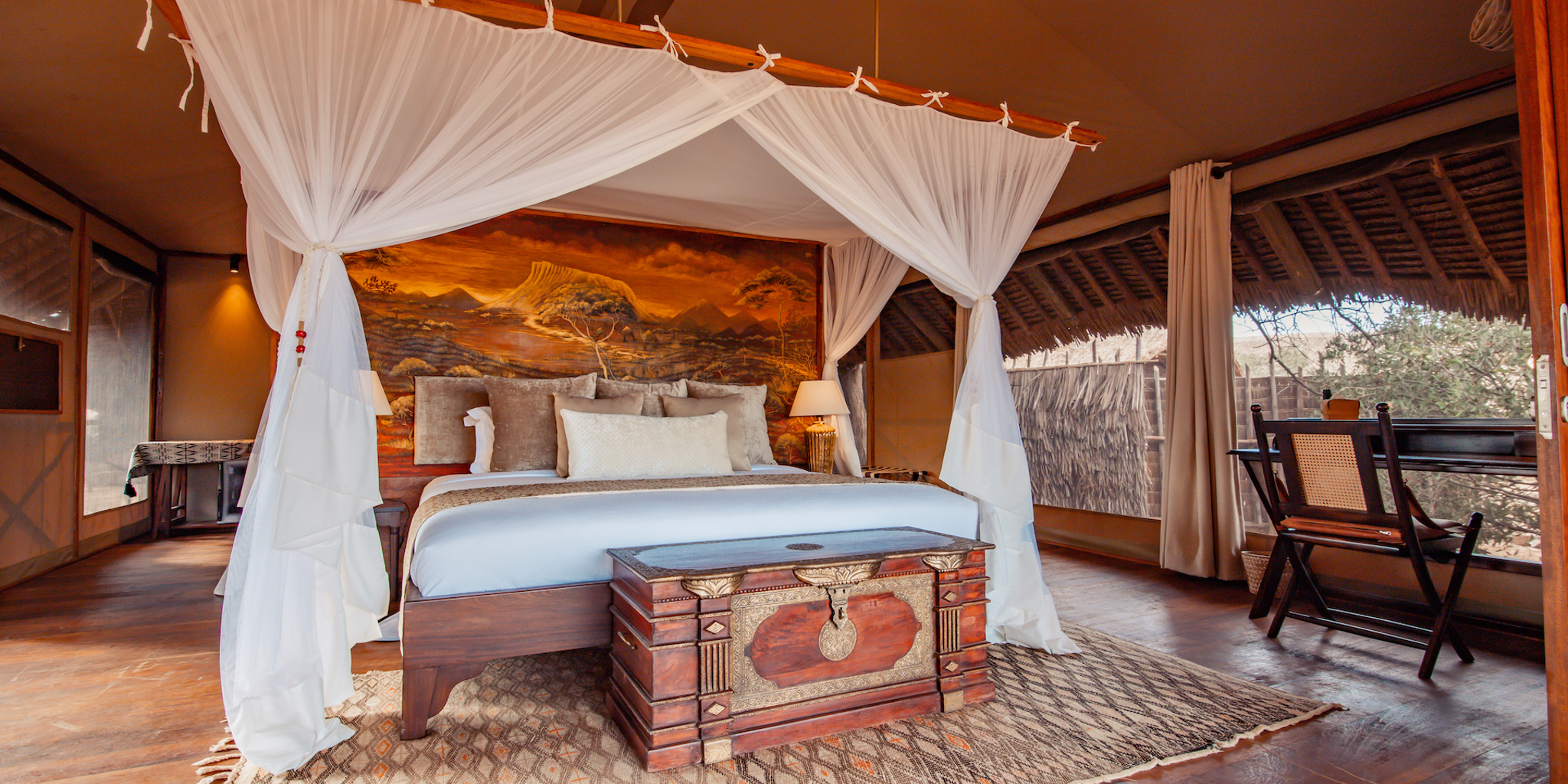
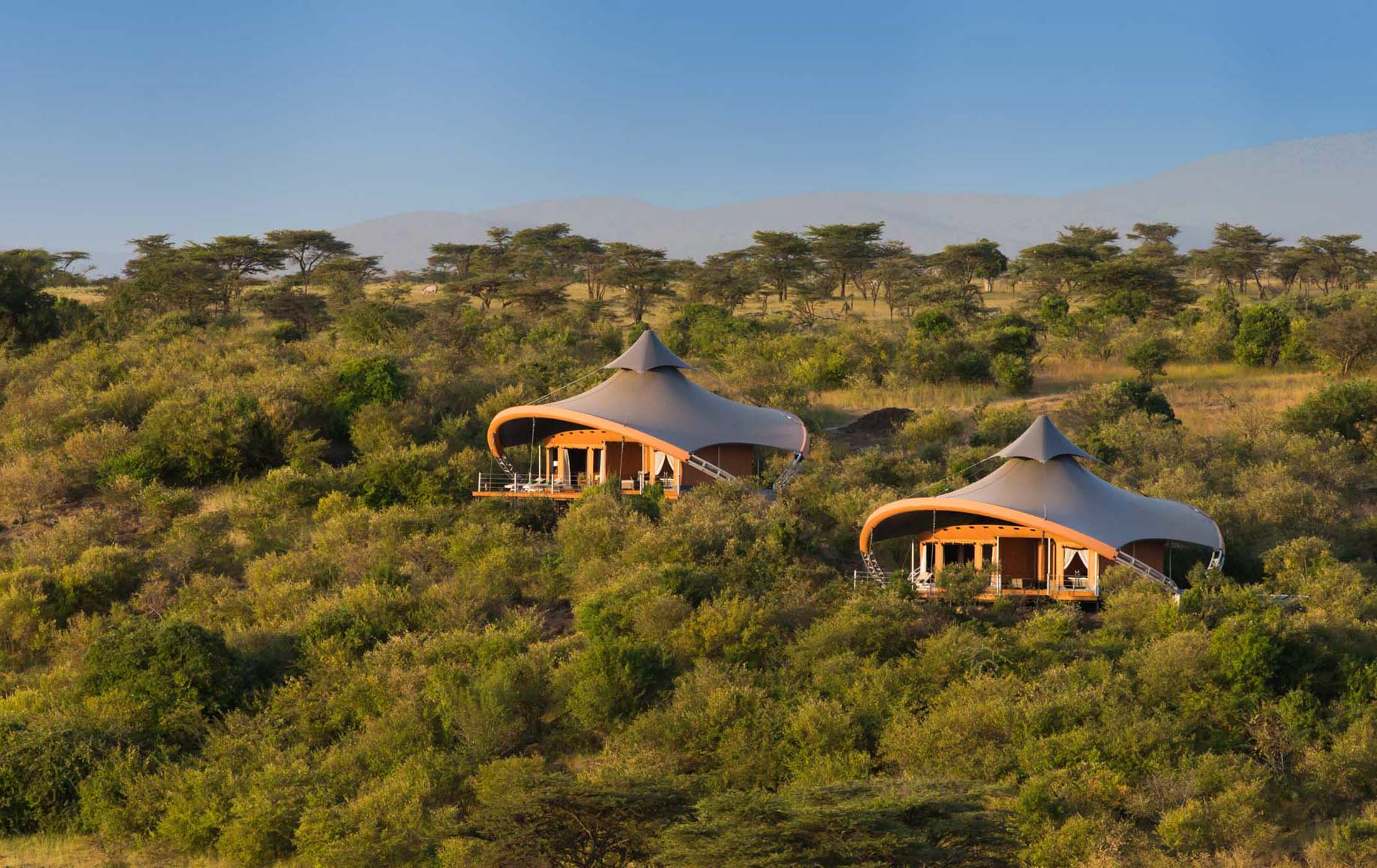
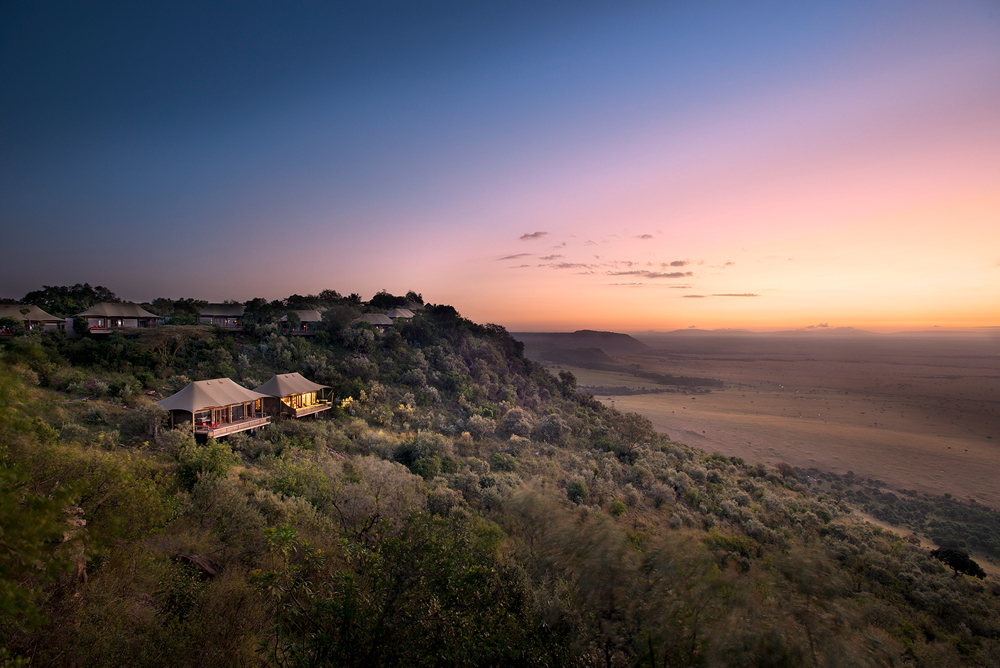
Twelve tents on a hillside in the Olare Motorogi Conservancy, where vehicle numbers are capped and almost nobody else comes. Off road driving, night drives and walking, all of which the reserve next door forbids.
Four nights at Hemingways Ol Seki above the Naboisho Conservancy. The least expensive journey we sell, and still a genuinely good one, because four nights in one place beats seven spread thin.
Neither is better, they are different. Kenya has shorter flying times so more fits into a week, invented the private conservancy model that permits off road driving and night drives, and pairs easily with the coast. Tanzania is larger and emptier, with the Ngorongoro Crater and a longer stretch of the Migration. Ongeri Expeditions arranges both, and a great many guests do the two together on one journey.
Yes. The safari areas are well away from anywhere with security concerns, camps are staffed and escorted after dark, and every journey Ongeri Expeditions arranges includes flying doctor evacuation cover that brings you to a Nairobi hospital by air from anywhere on the circuit. We are based in Karen, Nairobi, so any problem is handled in the same time zone rather than overnight by email.
July to October for the Great Migration river crossings in the Maasai Mara, and January to February for hot, dry, beautifully clear conditions with far fewer people. June is excellent value between the rains and the crowds. March to May is the green season, with the lowest rates of the year and a landscape at its most beautiful.
Ongeri Expeditions' Kenya journeys run from USD 4,275 per person sharing for five days in the Maasai Mara to USD 16,450 for nine days across Amboseli, the Mara and Laikipia. Most guests land between USD 9,000 and USD 13,000 per person for a week to ten days.
The Maasai Mara National Reserve is public land with unlimited vehicles, no off road driving and no night drives or walking. The private conservancies on its northern edge, including Naboisho, Olare Motorogi and Mara North, cap vehicle numbers and permit all three. Conservancy fees are paid as a monthly lease to individual Maasai landowners whether or not guests come, which is what keeps the land open.
Seven to ten nights across two or three places, with a minimum of three nights in each. Amboseli to the Maasai Mara is forty five minutes by light aircraft, so Kenya fits more into a week than most safari countries. Under five nights, take one camp and do it properly.
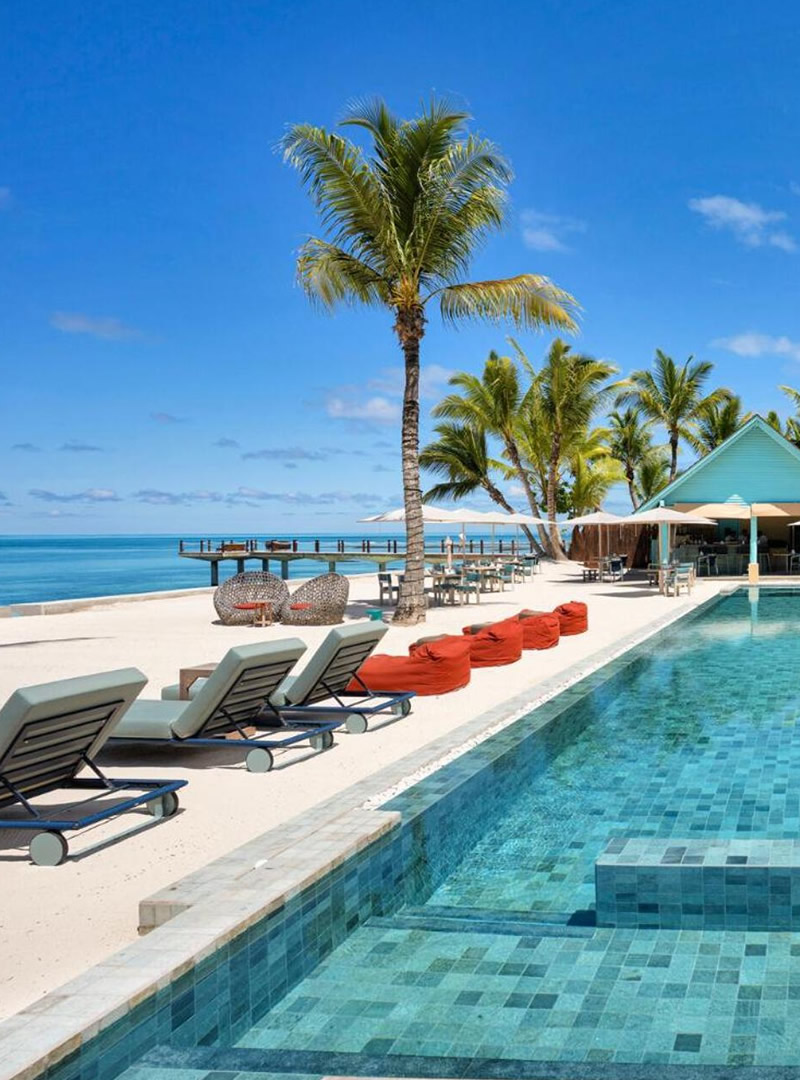
Easily, and it is the most natural pairing in Africa. Diani, Watamu and Lamu are about an hour from the Mara by air. Ongeri Expeditions also arranges Zanzibar, the Seychelles and Mauritius, and we always place the safari first while you still have the energy for early mornings.
Most nationalities require an electronic travel authorisation, applied for online before departure. A Yellow Fever certificate is required if you are arriving from or transiting a country with risk of transmission. Ongeri Expeditions confirms the current requirements for your passport in writing before you travel.
Share a few considered details, and your Safari Advisor will be in touch within 24 hours.