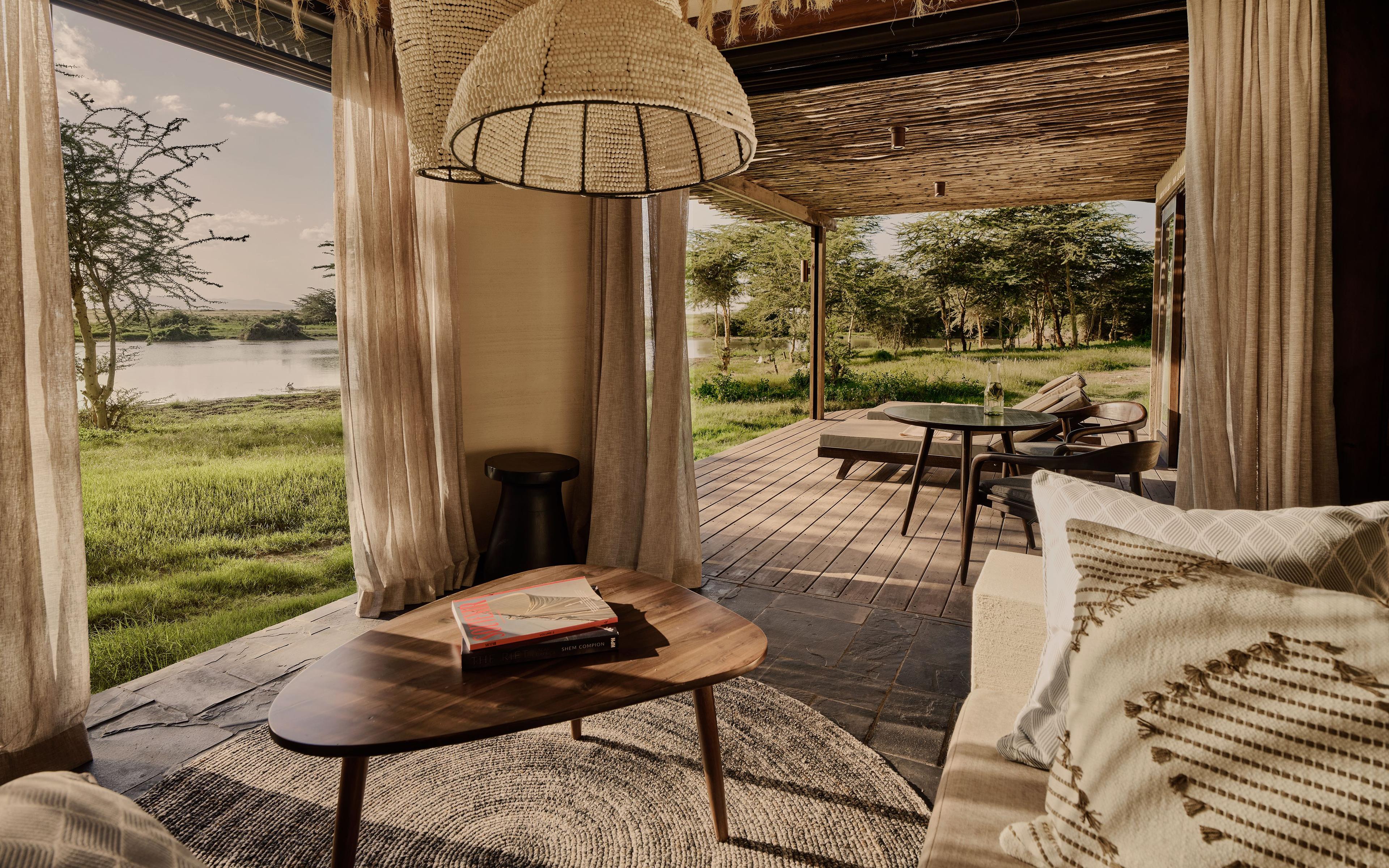
Three generations, one camp, and a day that suits every one of them
On the same morning, in the same camp. That is the whole problem with a family safari, and it is why so many of them end up as a compromise nobody actually wanted.
The teenagers want to be out before dawn. Somebody wants coffee and a view and no vehicle at all. The children need feeding at six and the adults would rather eat at eight. A single itinerary cannot serve all of that, and it should not try.
So we do not write one day for everybody. We put extra vehicles and extra guides on the ground, choose camps that can serve dinner at two different hours without blinking, and get the rooming right so parents are near their children and grandparents are not.
Everyone does what they came for. Everyone sits down together at seven and argues happily about what they saw. That is the trip families actually remember.
Begin a Conversation →Ongeri Expeditions arranges family safaris across two and three generations. These are the numbers we work to most often.
Six things that decide whether a family safari is a holiday or a fortnight of negotiation.
Additional vehicles and guides so the early risers can be out at five thirty while somebody else has a slow breakfast. Everyone reconvenes for dinner having had exactly the day they wanted.
Connecting or adjacent rooms so parents are beside young children, and grandparents are far enough from the noise to sleep. We request specific tents by number rather than hoping the camp guesses.
Not the ones that accept children over twelve by arrangement and quietly wish they had not. We know which properties have proper family programmes, and which have a swimming pool and a shrug.
A six hour road transfer is where family trips go wrong. Light aircraft turn that into forty five minutes, and the whole party arrives together, in one piece, in the same hour.
Ages, rooming, dietary needs, who is allergic to what, who needs a cot and who needs a ground floor room. In one place, briefed to every camp, and never something you explain twice.
A seventieth, a fortieth anniversary, a family finally in one place. We build the trip around that moment and arrange it properly, rather than leaving it to a cake at dinner.
The work that quietly falls to whoever in the family is organising it, which is usually one person doing all of it.
Connecting rooms, adjacent tents, cots, extra beds and who is next to whom. Requested by room number, confirmed in writing, and briefed to the camp in advance.
Extra vehicles and guides so different ages can do completely different things and still eat together. The single most useful thing we put on a family trip.
Camps with real family programmes, an askari or nanny where it helps, and activities that keep younger children happy so the grandparents can enjoy them rather than supervise them.
Bush dinners, a photographer for a morning, a cake that survives the airstrip. Arranged with the camp beforehand so the family member organising it can stop organising.
No forms to wrestle with and no template itinerary landing in your inbox an hour later. We talk first, then we design.
Every traveller, every age, and who needs to be near whom. That single list does more to shape the shortlist than the budget does.
Properties with the right room configurations, the right family policy and the space for extra vehicles, with the costs of each set out side by side.
Rooms held together, flights sized to the party, and every camp briefed on the family before you land.
It varies by camp. Many properties take children of any age when a family books more than one room or takes a private house, while some set a minimum of six or twelve in the main camp. We work from your children's actual ages and shortlist only camps that will genuinely welcome them.
Some are, after the first day, and the good camps plan for it. Shorter drives, a junior ranger programme, tracking on foot with a guide, baking with the kitchen team, and a pool for the middle of the day. We choose camps that have thought about this rather than camps that hope for the best.
Give them their own vehicle and a guide who talks to them properly. Add walking, riding, a photography session or a night drive. Teenagers on safari usually turn out to be the most enthusiastic people in the party, provided nobody makes them share a bench seat with four adults.
Yes, and it should never be awkward. With extra vehicles running, anyone can stay behind for a morning without ending anyone else's day. We arrange it with the camp in advance so it is simply how the trip works.
Frequently, yes. Many camps offer child rates, some let children stay free when sharing with parents, and family rooms or private houses often work out cheaper than several separate rooms. We ask every property rather than waiting to be offered.
Ten to fourteen nights, across two or three camps, with a minimum of three nights in each. Moving every two nights with children is exhausting for everyone and gets you less, not more.
Once a family reaches eight or ten travellers it very often is. The whole property is yours, mealtimes stop mattering, and children can be children without anyone else being disturbed. See our private villas collection for the houses we use most.
School holidays largely decide it, and July to August and December are both excellent in East Africa. If you have any flexibility, late June and early September are just as good and considerably quieter.
Everyone coming, their ages, and what each of them would call a good day. We will build a trip that gives all of them one.