Zanzibar is the easiest ending to an East African safari. Leave the Serengeti, the Masai Mara or the gorilla forests in the morning, and be in the Indian Ocean by afternoon.
One thing decides where you stay, and most guides skip it: the tide. On some coasts the ocean retreats several hundred metres by midday. On others you can swim whenever you like. Below are the resorts we book, and the coast each one sits on.
Zanzibar at a glance
- Where An archipelago off the Tanzanian coast in the Indian Ocean
- Getting there Short flights from the Serengeti airstrips, and connections through Nairobi, Dar es Salaam and Kigali
- Coasts North west for swimming at any tide, east for wide beaches, south east for quiet, north east for balance
- Known for Stone Town, a UNESCO World Heritage site, spice farms, diving and dhow sailing
- Best time June to October and December to February, matching the Serengeti's best safari months
- Pairs with Tanzania and Kenya safaris, and gorilla trekking in Rwanda or Uganda
- How long Four to six nights after safari, plus a night in Stone Town if it appeals
The tide, and why it matters
Zanzibar's tidal range is dramatic, and it varies enormously by coast. This is the single most useful thing to understand before choosing a resort.
- North west, Kendwa and Nungwi. Very little tidal movement, so swimming is possible all day. Sunset facing.
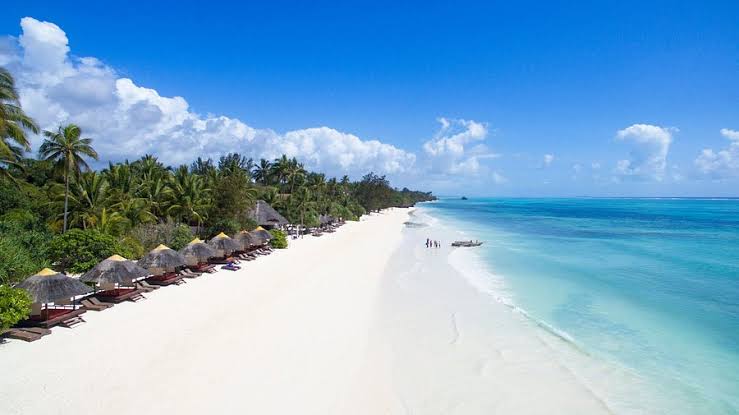
- East coast, Paje and Pongwe. The widest, whitest beaches, though the ocean retreats far at low tide, exposing the reef flat.
- South east, Michamvi. The quietest stretch, with big empty beaches.
- North east, Kiwengwa. A good balance of beach and calm water.
None of this is a problem, provided you know it before booking. Low tide is when the sandbanks appear, and they are beautiful.
The resorts
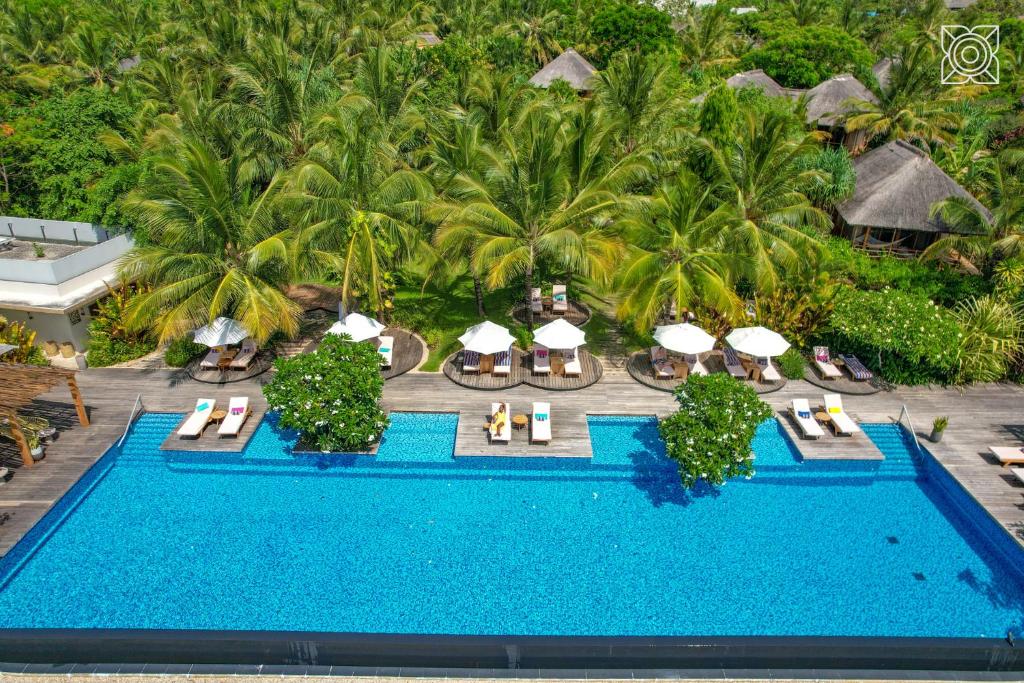
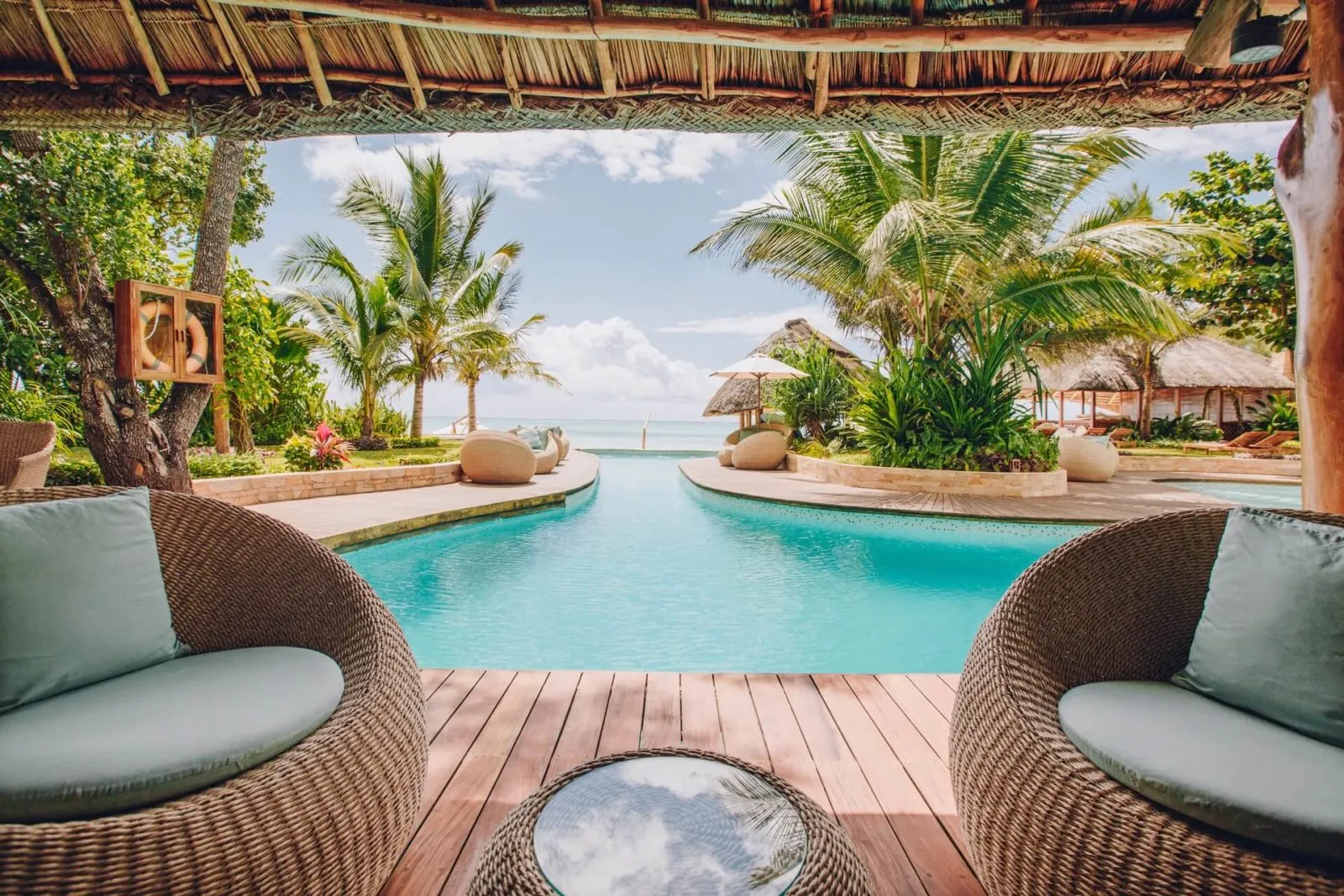
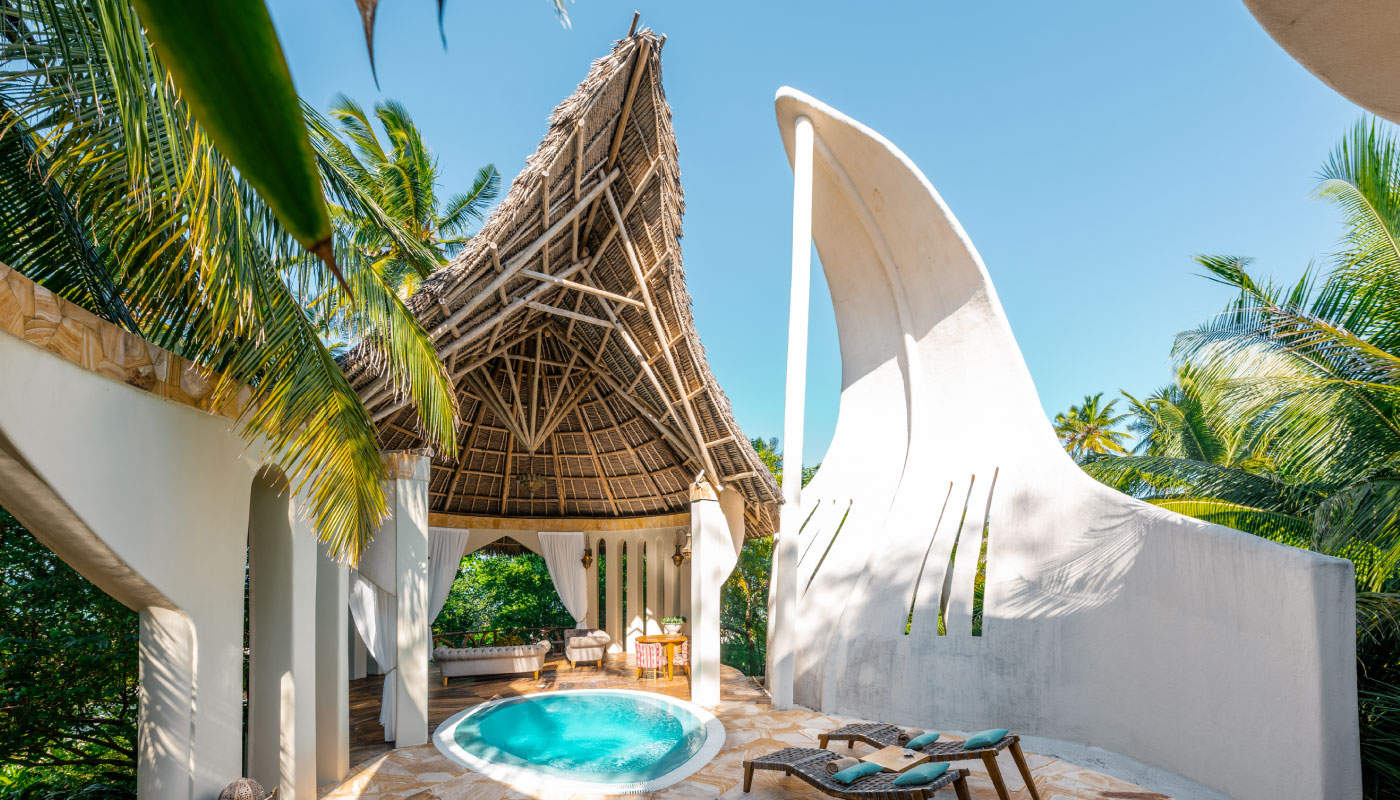
All of these we have visited. Here is how they differ.