What actually happens on a safari day?
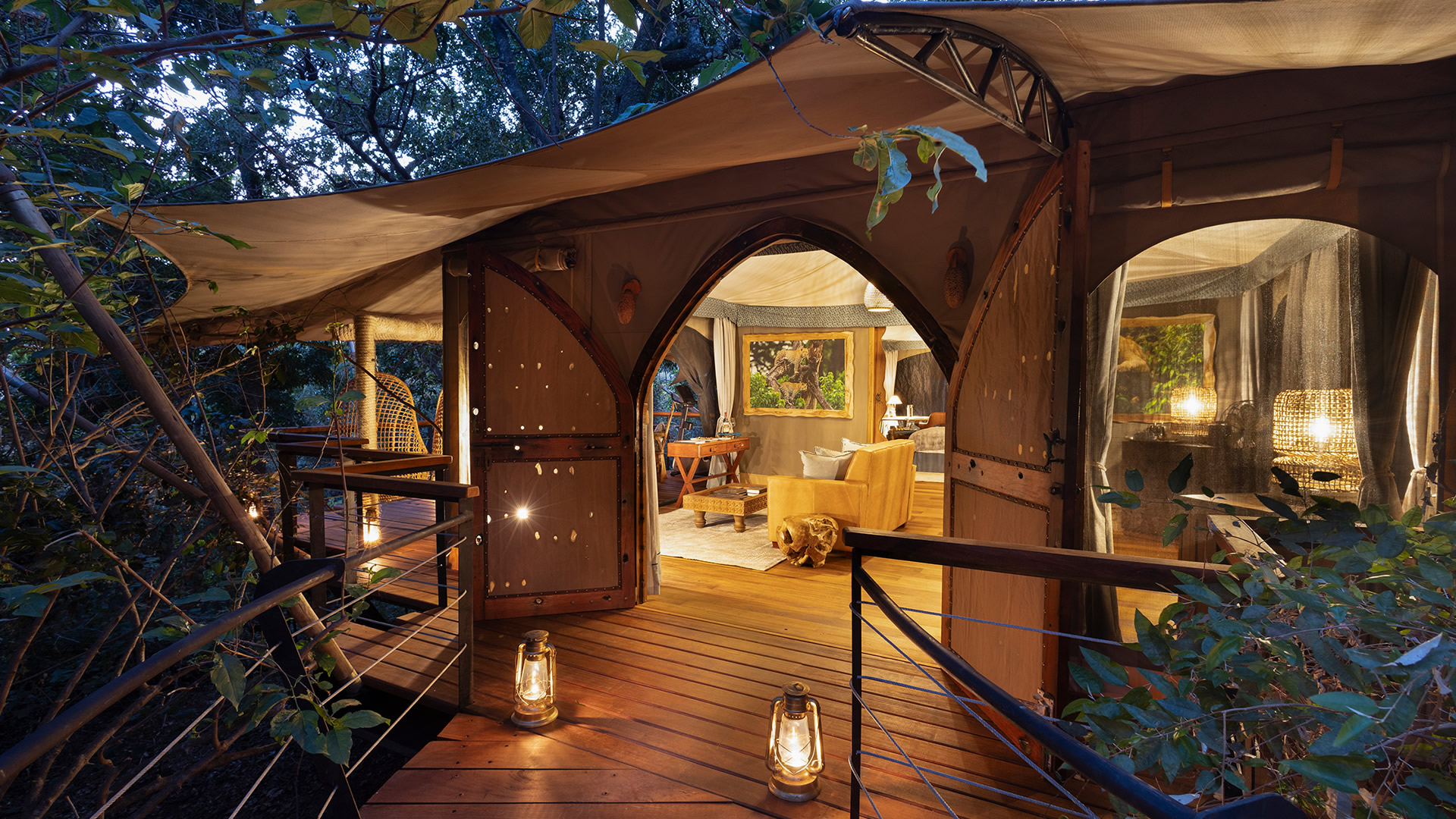
Gentler than most people imagine. The shape is much the same wherever you are.
You are woken around half past five with coffee at your tent. Out in the vehicle by six, because the first two hours after dawn are when the cats are still moving and the light is worth having. Back to camp around ten for a proper breakfast.
The middle of the day belongs to you. Most people sleep, swim, read, or sit and watch whatever wanders past. Nothing much moves in the heat, including the animals, which is why nobody schedules anything.
Out again around four, with a drink somewhere with a view as the sun goes. Back after dark, dinner at eight, in bed by ten because tomorrow starts at half past five again.
Neither drive is compulsory. Staying behind for a morning is entirely usual, and no camp will think twice about it.
When should I go?

The question we are asked most, and the one that deserves a proper answer. Here it is for Kenya and northern Tanzania.
| Months | What it is actually like |
|---|---|
| January to February | Hot, dry and very clear. Superb light for photography. Calving season in the southern Serengeti, which means predators. Excellent and slightly under appreciated |
| March to May | The green season. The landscape at its most beautiful, extraordinary skies, newborn animals, the lowest rates of the year and remarkably few other people. Expect rain most days, softer roads and a handful of camps closed. Some of the most rewarding journeys we run are in these months |
| June | The rains end, the land is still green and the crowds have not arrived. One of the best value months of the year |
| July to October | Peak. Dry, reliable, and the Great Migration is in the Maasai Mara. Highest prices and the best camps go twelve to eighteen months ahead |
| November | The short rains, which are brief and patchy rather than a washout. Quiet, green and good value |
| December | Dry and lovely, with festive supplements from around the twentieth. Book early or travel in the first half of the month |
Where the migration actually is
The herds are in the southern Serengeti from roughly December to March, calving in February. They move north and west through April to June. The Mara River crossings happen between July and October. They drift south again in November.
No one can promise you a crossing. The herds move on rain rather than a calendar, so we speak in terms of likelihood and position ourselves where the odds are best.
A word for the green season
March to May is written off far too readily. The light in those months is the best of the year, the plains turn a green you will not see in August, the skies are magnificent, and there are days when you will not pass another vehicle. Rates fall considerably.
The trade is honest. It rains, usually in the afternoon rather than all day. Some roads soften. A number of camps close for refurbishment, so the choice narrows. If none of that troubles you, it is exceptional value and an exceptionally beautiful time to travel, and we would happily send anyone.
Gorilla country runs on a different calendar
Rwanda and Uganda sit on the equator in rainforest, so there is no dry season in the savannah sense. The drier windows are roughly June to September and December to February, and those are when the trek underfoot is easiest. Permits in both countries are limited daily and go months ahead, particularly for June to September.
And so do the islands
| Island | When to go, and when not to |
|---|---|
| Zanzibar | June to October and December to February are the driest. April and May bring the long rains, and with them the year's lowest rates |
| The Seychelles | Good year round. April to May and October to November are the calmest, between the two trade winds |
| Mauritius | May to December is dry and cooler. January to March carries cyclone risk |
Where should I go?

East Africa and the Indian Ocean give you five quite different weeks, and a first journey almost always works best as two contrasting places rather than three rushed ones.
The savannah
- Kenya. The Maasai Mara for predators, Amboseli for elephants beneath Kilimanjaro, Laikipia and Lewa for walking, riding and rhino. The parks sit close together and the flying is short, which is why it suits a first safari so well
- Tanzania. The Serengeti and the Ngorongoro Crater on the northern circuit, and Ruaha and the south if you want almost nobody else. Larger, emptier, and the natural partner to Zanzibar
The forests
- Rwanda. Mountain gorillas in Volcanoes National Park, chimpanzees in Nyungwe, and the shortest, easiest trek of the gorilla countries. Kigali is two hours from the trailhead
- Uganda. Gorillas in Bwindi, chimpanzees in Kibale and the Nile. Better value than Rwanda and more variety alongside the trek, at the cost of a longer journey in
The islands
- Zanzibar. Part of Tanzania, an hour from the Serengeti, and the simplest beach to reach from any East African safari
- The Seychelles. Granite, reef and the most dramatic coastline of the three. Malaria free, four hours direct from Nairobi
- Mauritius. The furthest and the most resort led, which suits families and longer stays. Also malaria free
Gorillas are an addition rather than a substitution. Nobody flies to Africa for the first time to see only gorillas, and nobody who has trekked regrets adding it. If you have twelve nights or more, it fits.
If the beach is part of it, see bush and beach safaris, where we set out which ocean suits which safari and why the order matters.
What does it cost?
Two figures are worth separating, because they are often spoken of as one.
A camp has a nightly rate. A camp such as Angama Mara sits between roughly USD 1,500 and USD 2,500 per person per night, and the same camp in March is a different number from the same camp in August.
A journey is quoted as one figure per person, because the flights, the transfers, the park fees and the guiding all move together. That is how Ongeri Expeditions quotes, and it is the number that actually matters to you.
The bands we work in
These are the five tiers in our Plan Your Safari tool, per person for the whole journey.
| Per person | What it is, and what it buys |
|---|---|
| USD 5,000 to 8,500 | Short escape. Two to four nights only. A single camp, done properly, rather than a circuit rushed |
| USD 8,500 to 12,000 | Discovery. Up to seven nights. Two camps, good locations, the classic first safari |
| USD 12,000 to 20,000 | Classic. Premium camps and some flying between them. Where a great many first journeys sit |
| USD 20,000 to 35,000 | Signature. A private guide throughout, and the camps people recognise by name |
| USD 35,000 and above | Ongeri Private. Exclusive use. A camp or a house held for your party alone |
If none of those feels right yet, the tool has an option that simply says you are flexible. It is the honest answer more often than people admit, and it is not the wrong one.
What sits inside the figure, and what does not
Inside: accommodation, meals as specified, all game drives and conservancy activities, light aircraft flights between camps, road transfers and every park fee.
Outside: international flights, visas, travel insurance, gratuities, and premium extras such as a balloon flight or a gorilla permit. Every inclusion is set out in writing before you pay anything, and our booking terms say so.
What actually moves the number
Season moves it most, and the same journey can differ by half again between March and August. After that it is the camps themselves, then how much you fly, then whether you take a private vehicle rather than sharing one.
Length matters less than people expect, because the flights and transfers are already paid for. Adding two nights to a seven night trip costs far less than the first seven did. It is usually the best value decision available to you.
Travelling in the green season, roughly November to May, is the other honest way to stretch a budget without dimming the experience. Look also at our special offers, which are where camp level reductions surface.
What is the difference between a camp and a lodge?

Both are luxurious. They feel completely different, and most first timers are never told how.
| What to expect | |
|---|---|
| A camp | Canvas on raised platforms, usually six to twelve tents. En suite bathroom, proper bed, hot water, a veranda. You hear everything at night, which is the point. Smaller, quieter, closer to the ground |
| A lodge | Built rather than pitched. Cottages or rooms, often twenty or more, with a pool, a spa, several places to eat and more to do in the middle of the day. Better for families and for anyone uneasy about canvas |
| A mobile camp | A small camp that moves with the herds, pitched for a season and taken down. The closest thing to how safari was done a century ago, with none of the discomfort |
| A private house | Taken by one party alone, with its own staff, chef and vehicle. Cheaper than it sounds once a party reaches eight |
Canvas tends to occupy people far more before they arrive than afterwards. A tent at this level holds a bed most guests sleep better in than their own.
Reserve or private conservancy, and why it matters
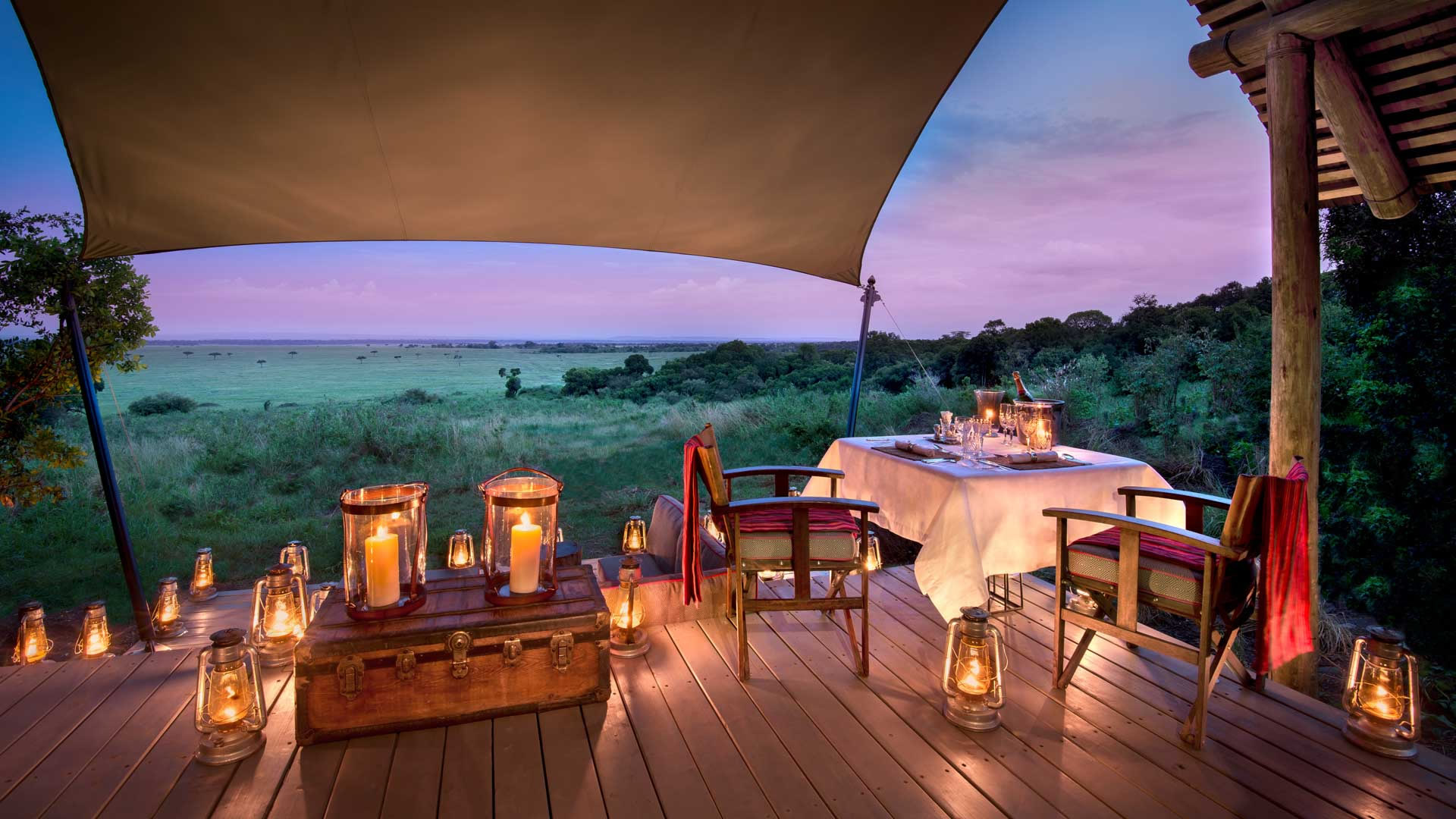
This distinction shapes a safari more than the choice of camp does, and it is rarely explained before anyone books.
A national park or reserve, such as the Maasai Mara National Reserve or Amboseli, is public land. Anyone may enter. Vehicles are unlimited, you must stay on the tracks, and there is no driving after sunset and no walking.
A private conservancy is community owned land leased by a small number of camps. Vehicle numbers are capped, often to one per several thousand acres. Off road driving is allowed, so you can leave the track to reach a sighting. So are night drives and walking safaris.
Conservancies cost more per night, and the money goes to Maasai landowners rather than to a government treasury. If you have to choose between one extra night and moving to a conservancy, take the conservancy.
How long do I need?
Seven to ten nights for a first safari. Two camps, a minimum of three nights in each, with the flight between them taking a morning.
Three nights is the number to hold to. You arrive on the first day, have two full days, and leave on the fourth. Two nights gives you a single full day, which is less than a place like the Maasai Mara deserves after so long a journey.
Under five nights in total, take a single camp and do it properly. Our short safaris are built for exactly that.
How much of it is spent driving?
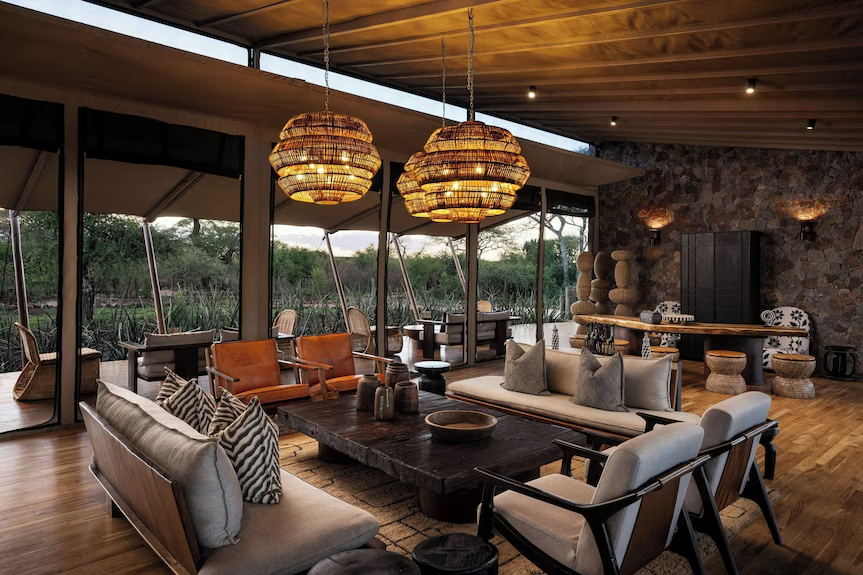
Far less than people imagine, if it is planned properly. Between camps you fly. Nairobi to the Maasai Mara is forty five minutes in a light aircraft against six hours of road.
Inside a camp's area, a game drive is three to four hours in the morning and three in the afternoon, and it is slow, stopping driving rather than covering ground.
We aim for no ground transfer longer than about ninety minutes on any journey we design. If an itinerary places a full day in a vehicle somewhere in the middle, it is worth asking what it is doing there.
Will I see the Big Five?

Four of them come readily. The fifth asks for a little planning.
- Lion, elephant and buffalo. Very likely across a week in the Mara and Amboseli
- Leopard. Often seen in the Mara conservancies, particularly on a night drive, though never a certainty anywhere
- Rhino. The one that shapes a route. Black and white rhino are concentrated in a handful of places, chiefly Lewa, Laikipia, Ol Pejeta, Lake Nakuru and the Ngorongoro Crater. If the Big Five matter to you, we build one of them in
We would rather tell you what a route is genuinely likely to give you than promise five animals on a page.
Is it safe, and is it comfortable?
Yes to both, and there are a few things worth knowing.
Most camps are unfenced, which reads more dramatically than it feels. Animals move through at night, and you are walked to and from your tent after dark by an askari. Nobody goes alone, and the courtesy is a genuine one rather than a piece of theatre.
On a walking safari your guide is armed and has trained for years. In a vehicle you stay seated, and you leave standing up until the cats have moved on.
On comfort: hot water, laundry done daily, wireless internet in most camps, wine that has been kept properly and food that would hold its own in a city. The only real concession you make is to the alarm clock.
Every journey we arrange includes flying doctor evacuation cover, which brings you to a Nairobi hospital by air from anywhere on the circuit.
Malaria, vaccinations and insurance
Malaria prophylaxis is advised for almost all safari areas in Kenya, Tanzania, Rwanda and Uganda, and for Zanzibar and the Kenyan coast. Nairobi itself is high enough to be low risk. The Seychelles and Mauritius are malaria free.
Yellow Fever certification is required for some border crossings in the region and is worth having if your route touches more than one country. Requirements change, and we confirm yours in writing before you travel.
Comprehensive travel insurance is not optional on a trip of this cost. It should cover cancellation, medical treatment, evacuation and any pre existing conditions. Read our booking terms for what we require.
None of the above is medical advice. Speak to your own doctor or a travel clinic six to eight weeks before you fly.
What do I actually pack?
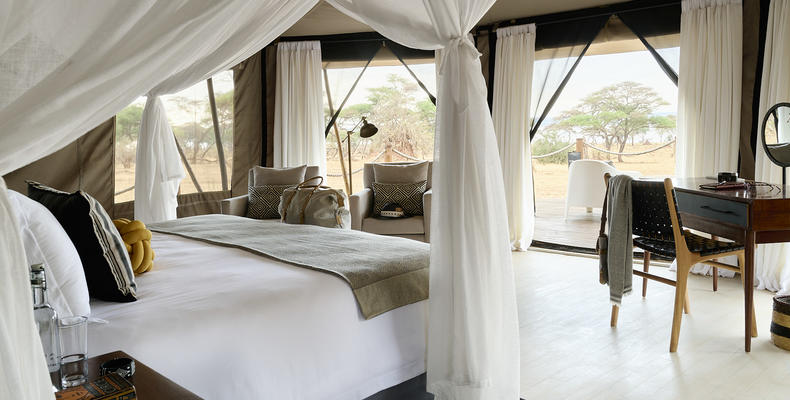
Less than you would expect, and there are two details that catch almost everyone.
- A soft bag, not a hard case. Light aircraft luggage holds are curved, and hard cases do not fit. This one is enforced rather than advisory
- Fifteen kilos, usually. Most light aircraft on the circuit cap it at 15kg including hand luggage. Camps do laundry daily, so you need far less than a fortnight suggests
- No camouflage. Camouflage clothing is restricted for civilians in several countries in the region, Uganda and Tanzania among them, so it is best left at home
- Neutral colours, and layers. Less for the animals' benefit than because dust shows less. A six o'clock drive in July is genuinely cold, and by ten it is warm
- Binoculars. The single most underrated item. One pair between two people is not enough
We send a full packing list with every confirmed booking, along with visa guidance and what the camps provide.
Why use an operator at all?
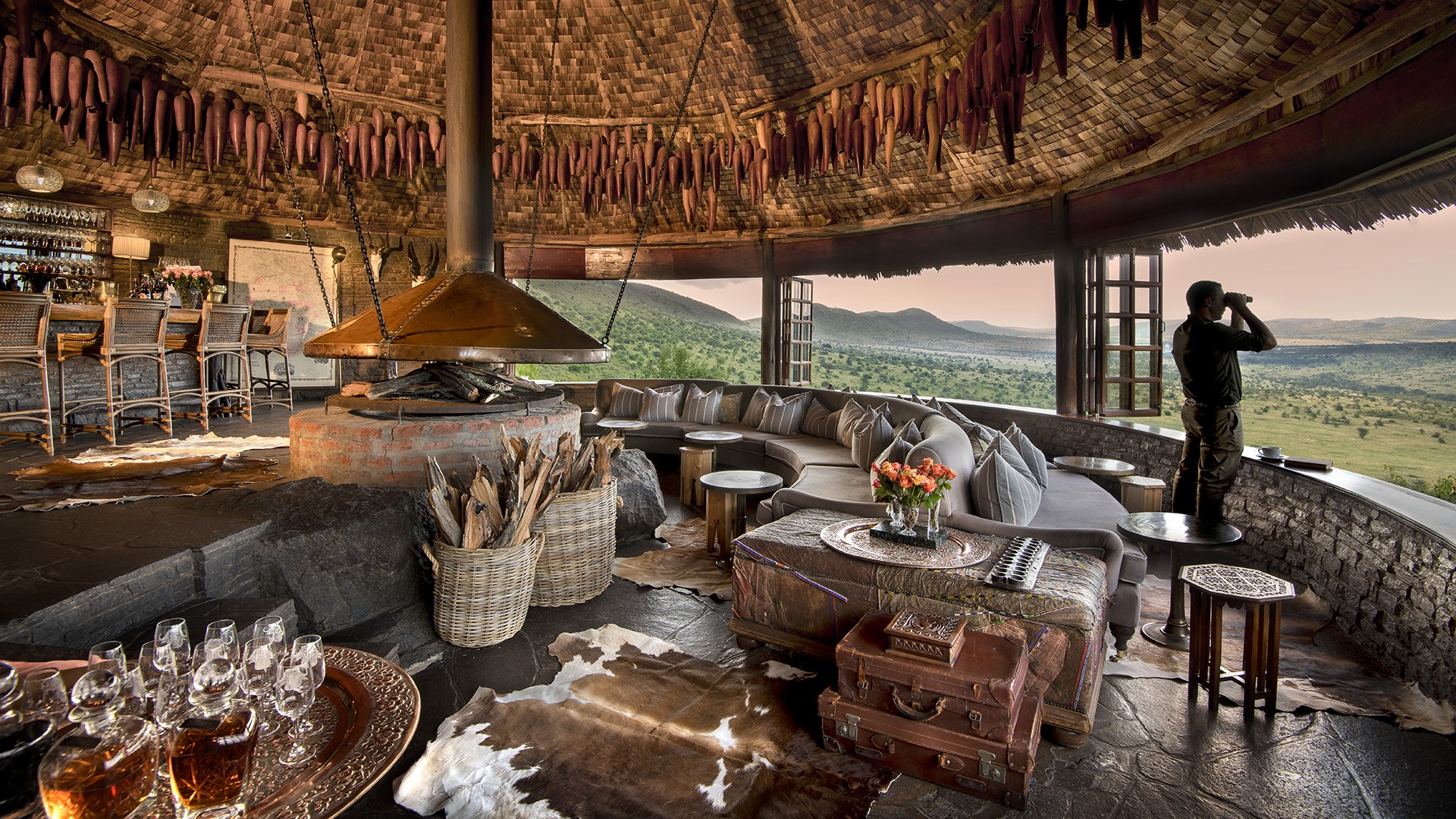
A fair question, and the answer has three parts.
The things that go wrong are local. A bush flight is cancelled, a camp has lost a booking, a road washes out. Solving that needs somebody in the same time zone with the camp manager's mobile number, not a chat window in another hemisphere.
Photographs flatter. Every camp looks lovely online. Knowing which tent holds the view, and which sits within earshot of the generator, is not something you can look up, and it is often the difference between a good week and a memorable one.
The good things are not bookable online. Availability that the booking page says is gone. The guide whose work you have admired. A conservancy that has space when the reserve is full.
We are based in Karen, Nairobi, and everything above follows from that.